As a Watershed Planning and Advisory Council, the Oldman Watershed Council (OWC) is focused on four areas related to watershed health and water security. These strategic pillars guide the projects that we do to improve the Oldman watershed!
Education & Literacy: Watershed issues are people issues. That’s why a priority goal in our Integrated Watershed Management Plan is to improve the understanding and strengthen the commitment of residents to the health of the watershed.
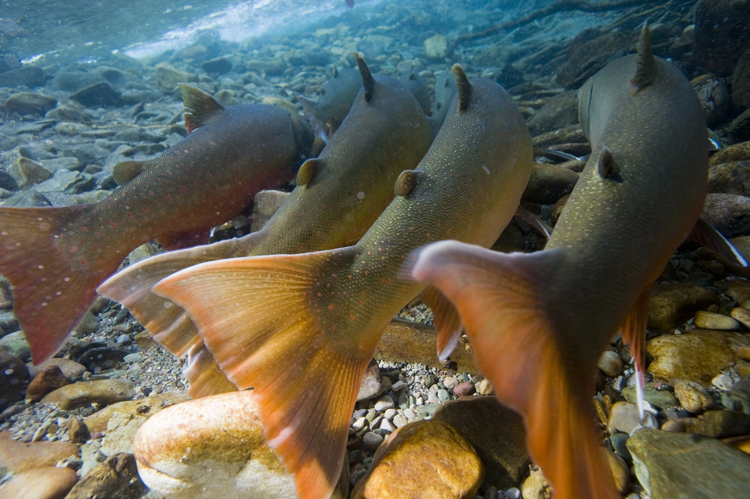
Monitoring & Reporting: The OWC supports the gathering and reporting of crucial scientific data to fill gaps in watershed research and inform other organizations on land use. Monitoring is done on everything from groundwater to stream health to pesticides.
Planning & Implementation: Improving resilience to a changing climate and maintaining water security is top of mind as drought conditions increase in some areas of the watershed. Preparing for these changes is key as water limitations pose problems for communities, ecosystems, and industries.
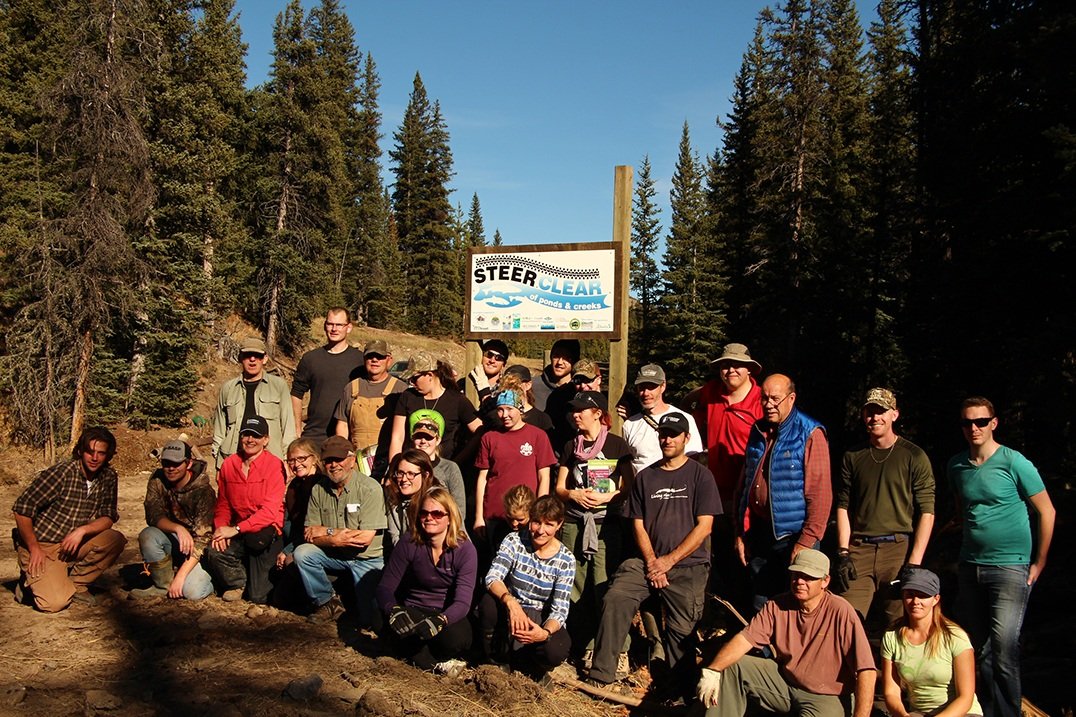
Convener & Collaborators: The OWC’s unique role as a neutral forum for discussing tough issues and facilitating collective action is highly valued by our community. We want every person in the watershed to feel welcome and represented.
Education & Literacy
Profiling the Watershed is our high-tech, virtual reality, and experiential learning project. Made possible by RBC Foundation’s Tech for Nature grant program, this future-looking project has two primary components: a custom watershed stewardship virtual reality (VR) training program and an immersive environment with climate monitoring through 360° and ambisonic audio location captures.
In addition to engaging adults in watershed science, OWC reaches kids with fun, hands-on, instructional activities so they can learn about water and the environment around them.
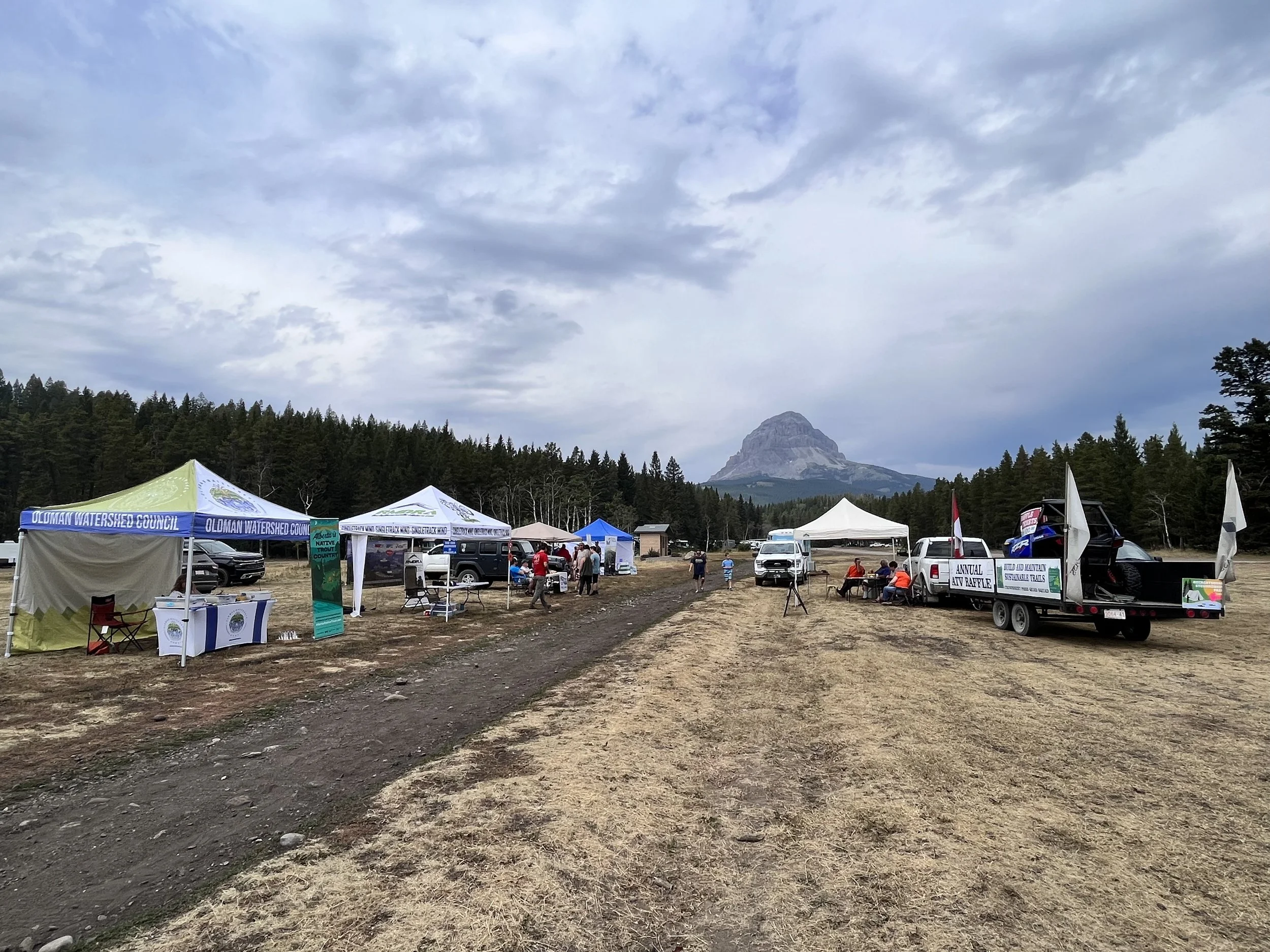
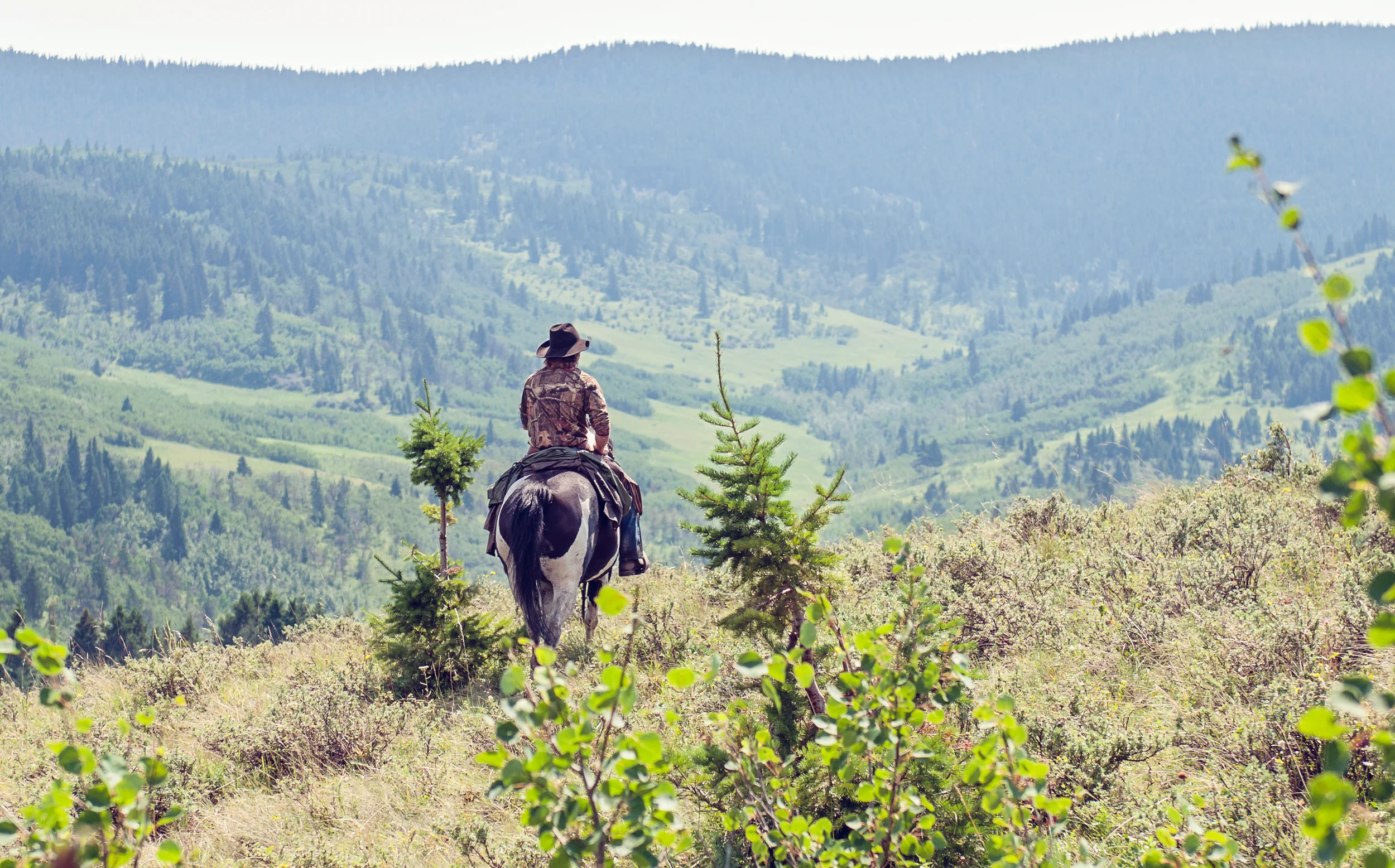
We are fortunate to live in a space that offers many outdoor recreation opportunities. Building on a decade of backcountry programming, OWC’s recreation literacy project (2024–26) uses proven social science strategies to encourage sustainable use of designated trails and backcountry areas. The ultimate goal of this project is to engage people in restoring places where they recreate, changing behaviour to reduce their impacts, and becoming environmental stewards.
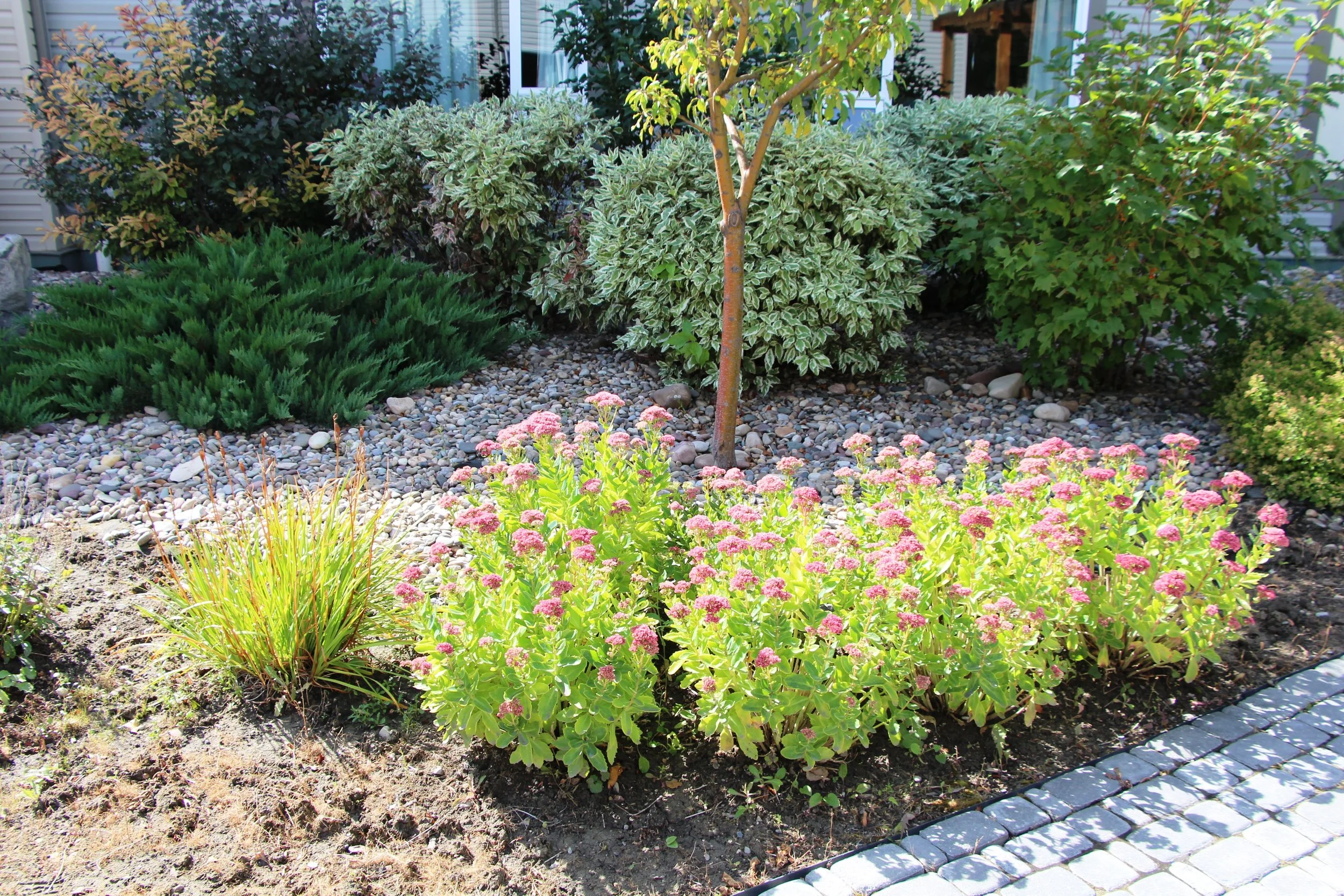
Creating your own Prairie Urban Garden showcases the beauty of southern Albertan native flowers, creates habitat, results in a low-maintenance yard, and saves water. Say goodbye to lawn mowing! We have all you need to know to get started.
Monitoring & Reporting
The Oldman Watershed Council (OWC) is mandated to create a State of the Watershed Assessment that rates the current health of the watershed by compiling scientific information. The OWC’s most recent State of the Watershed Assessment was released in 2010, and examined environmental quality for three critical parts of the natural world: terrestrial and riparian habitat, water quantity, and water quality.
Multi‑year droughts have heightened the need for reliable water sources, particularly for livestock producers whose creeks, dugouts, and springs have run dry. Through a partnership with Living Lakes Canada, we are supporting the creation of a community‑based groundwater‑monitoring program for the Oldman watershed.
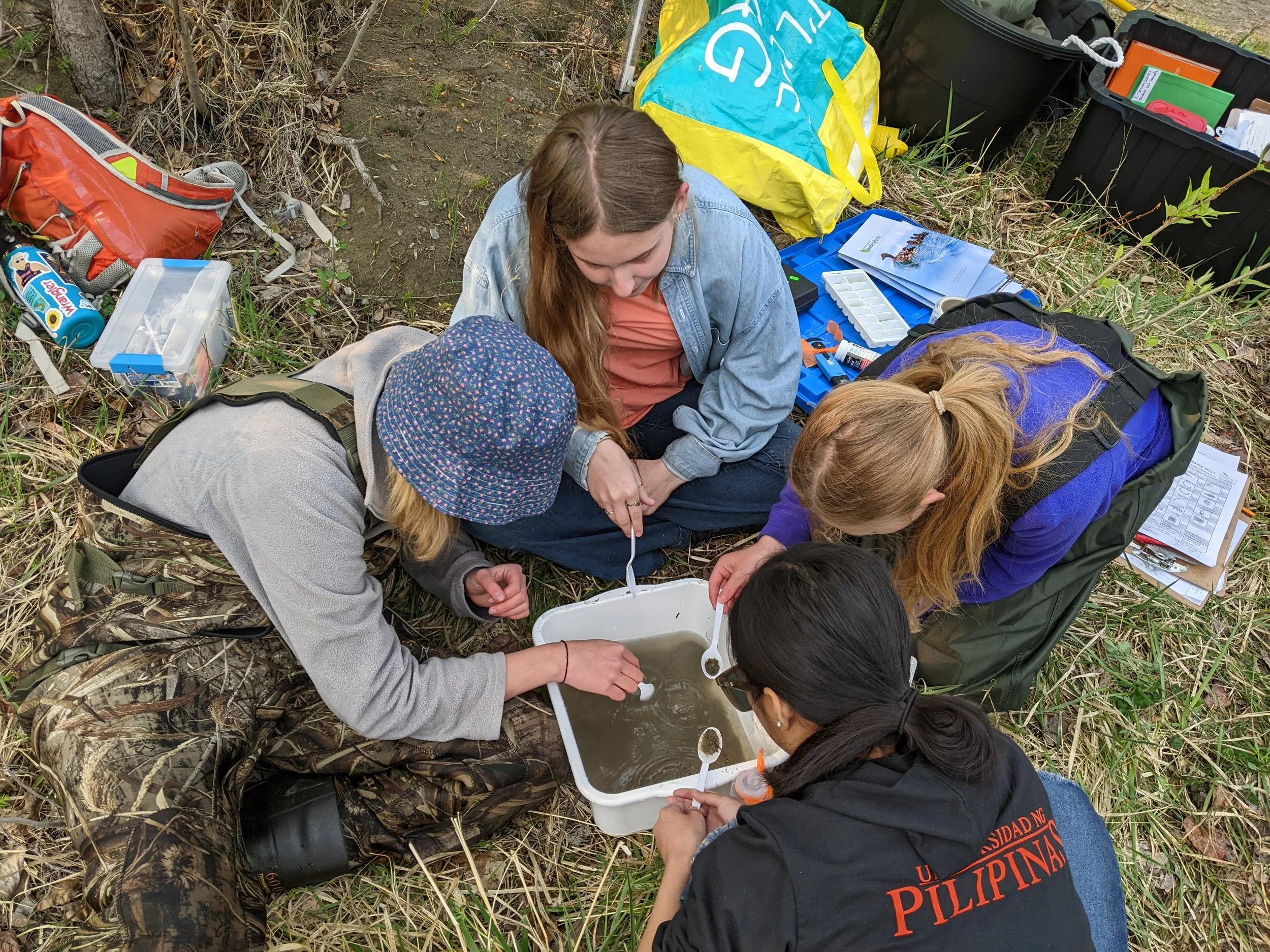
The Canadian Aquatic Biomonitoring Network (CABIN) is a tool to establish baseline stream-health conditions and to monitor changes where we, or our partners, implement restoration or beneficial management practices. The Oldman Watershed Council is OWC is leading the creation of a CABIN reference model for the Eastern Slopes.
Planning & Implementation
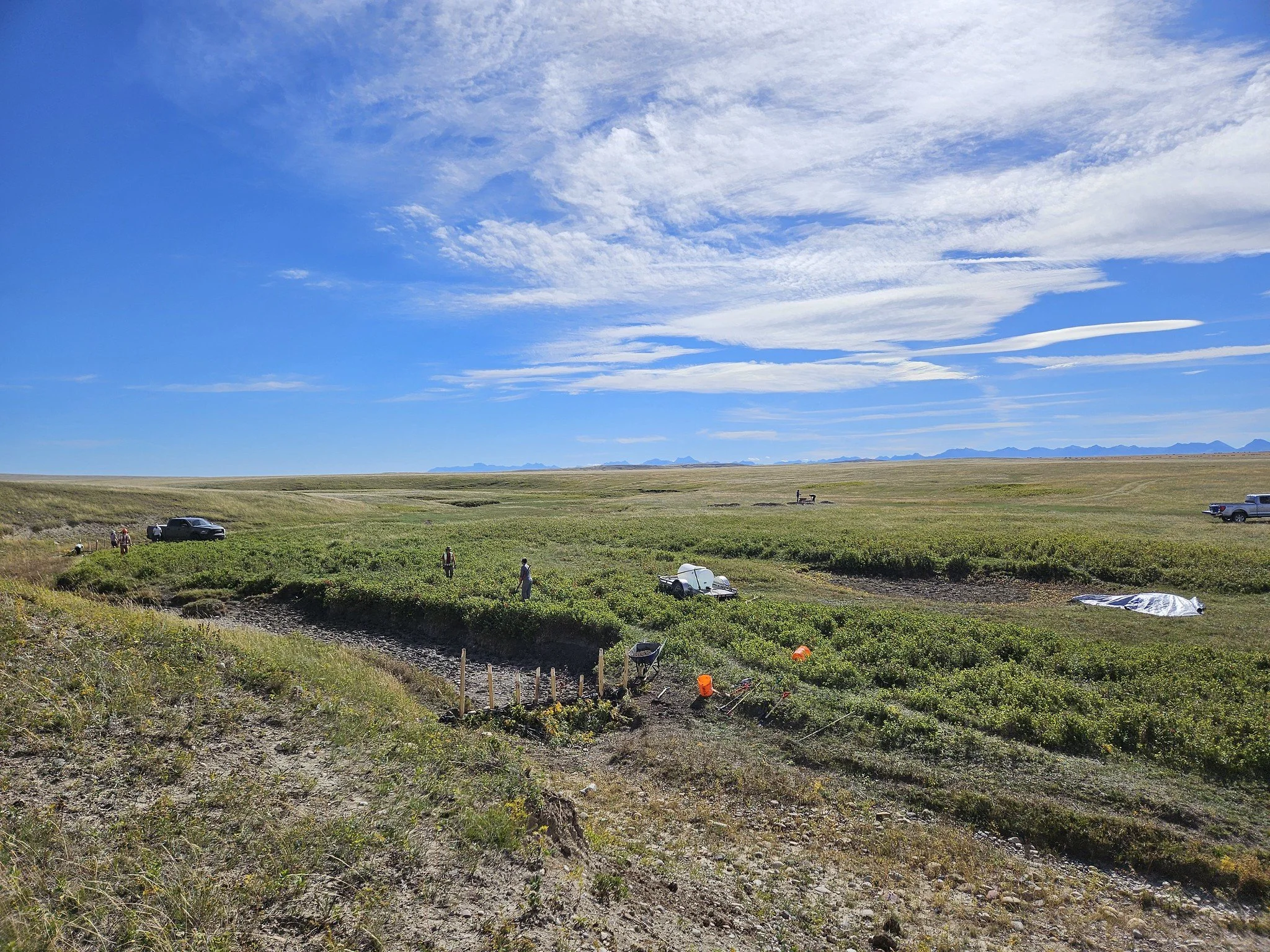
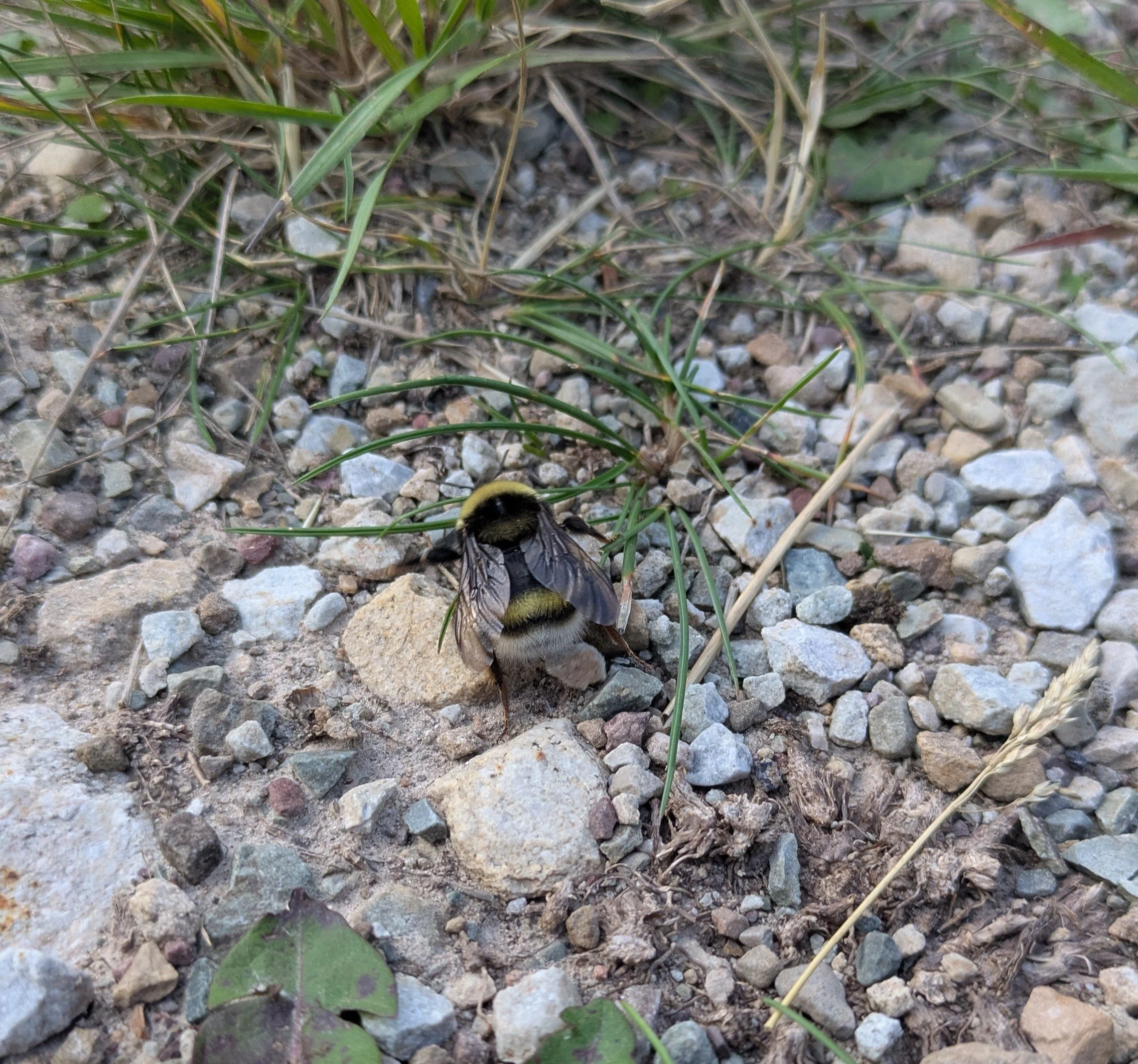
Healthy grasslands, wetlands, and shorelines are critical to maintain water security and a resilient watershed that is able to withstand floods and droughts. The OWC implements natural infrastructure projects to restore these important areas that improve water quality and support pollinators and native plant species. The OWC also funds sustainable land management projects through our Watershed Legacy Program to improve the health of our watershed.
Our Integrated Watershed Management Plan is a collaborative effort of the entire watershed community. It is informed by scientific research and achieved through stakeholder-led, action-oriented goals. The eight goals in the IWMP were developed based on the State of the Watershed report, surveys, interviews, in-person workshops, and watershed risk assessments from an extensive stakeholder consultation process. Simply put, the IWMP is based on you, and your vision for the future of our watershed.
The headwaters of the Oldman River watershed run east from the Rocky Mountains of southwest Alberta to join the South Saskatchewan River and eventually, Hudson Bay. They provide 90% of the water that feeds our streams, lakes, and groundwater! The Headwaters Action Plan is the community’s plan to maintain and protect the integrity of the Oldman headwaters and source waters through collaborative stewardship work that will address key issues to headwater health over time.
Convener & Collaborators
The Oldman Watershed Council (OWC) is a part of Treaty 7, and the traditional territory of the Niitsitapi (Blackfoot) People. The Siksikaitsitapi (Blackfoot Confederacy) includes 4 Nations: Kainai-Blood Tribe, Siksika, Peigan-Piikani, and Aamskapi Pikuni. Our Indigenous partners teach us how to live lightly on the land and we are honoured to learn from their leadership, wisdom, and knowledge.
The Oldman Watershed Council (OWC) is a proud partner in many projects and organizations. As a community-based non-profit, it is important that we are involved in collaborative efforts and are a voice for the watershed and the people who live here.


Uniting Rural Producers and Urban Consumers is a multi-year project that aims to educate, engage, and inform urban consumers in southern Alberta about agricultural practices and watershed stewardship through a suite of communications materials. The program connects those who are not involved in food production systems, with those who are. It has been inspiring to hear stories from producers firsthand and learn more about the innovative work that is being done in our region to tackle challenges around food production.