OVERVIEW
We are fortunate to live in a space that offers many outdoor recreation opportunities. Building on a decade of backcountry programming, the Oldman Watershed Council’s (OWC) recreation literacy project (2024–26) uses proven social science strategies to encourage sustainable use of designated trails and backcountry areas. The ultimate goal of this project is to engage people in restoring places where they recreate, changing behaviour to reduce their impacts, and becoming environmental stewards.
This project supports the Government of Alberta’s Recreational Literacy Strategy for Public Lands, and advances the top priority in our Integrated Watershed Management Plan – Headwaters Action Plan. It demonstrates how face-to-face conversations can inspire change and reduce threats in the watershed.

WHAT'S BEING DONE
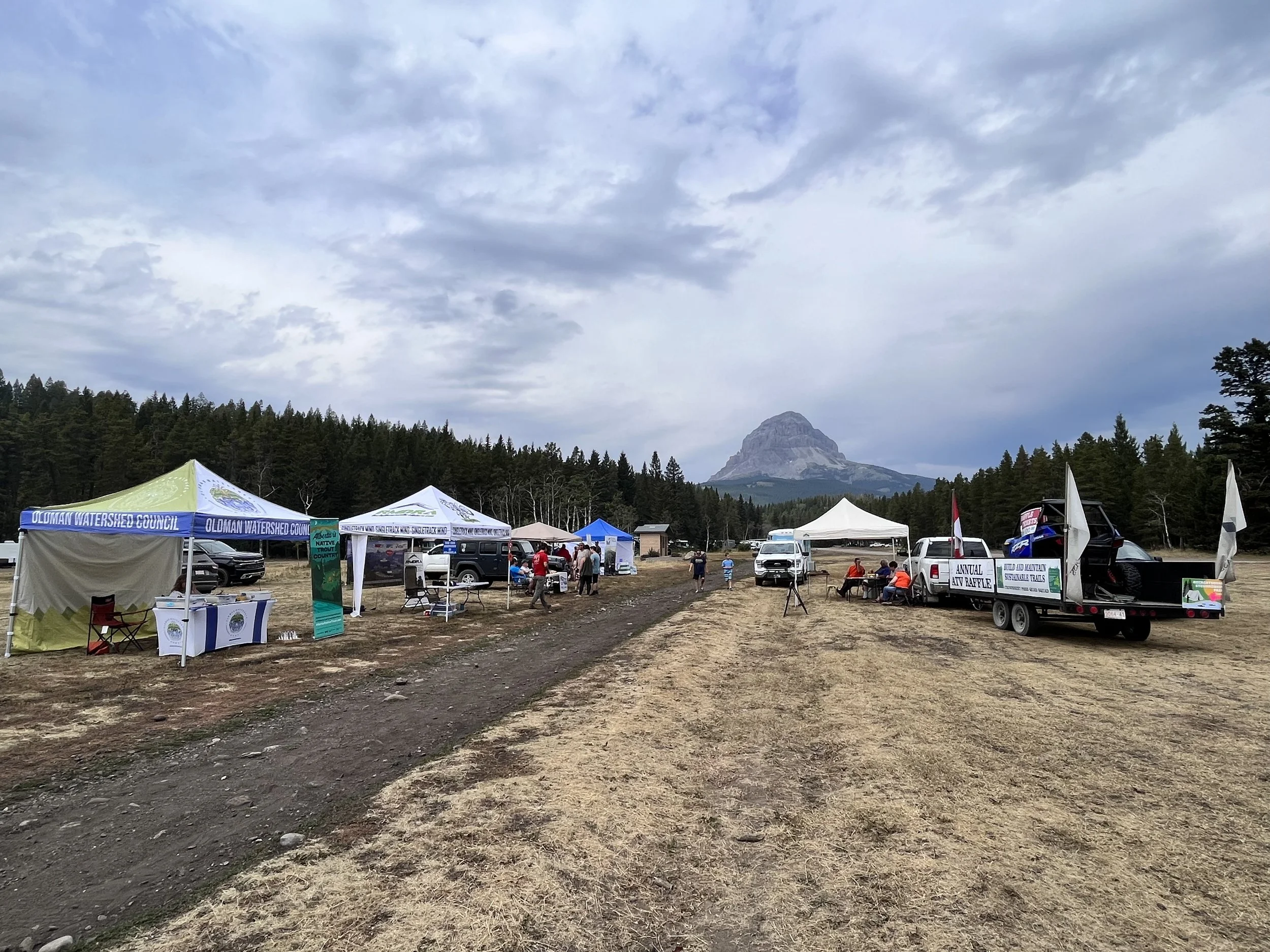
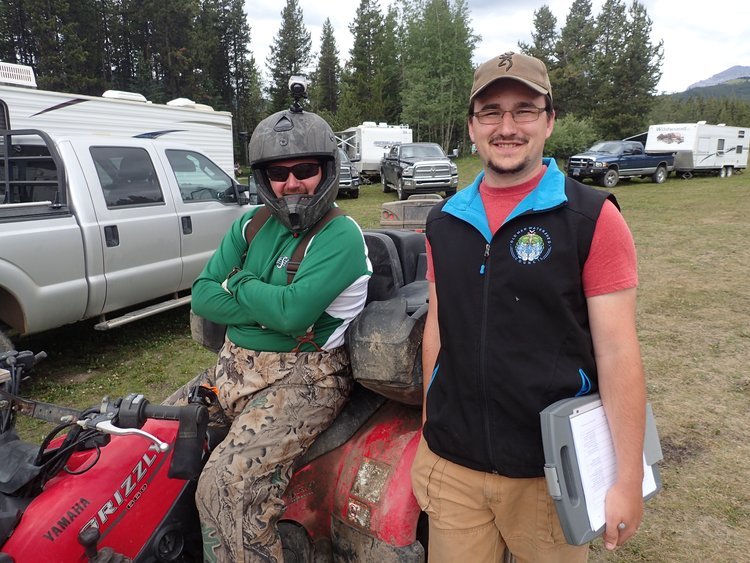
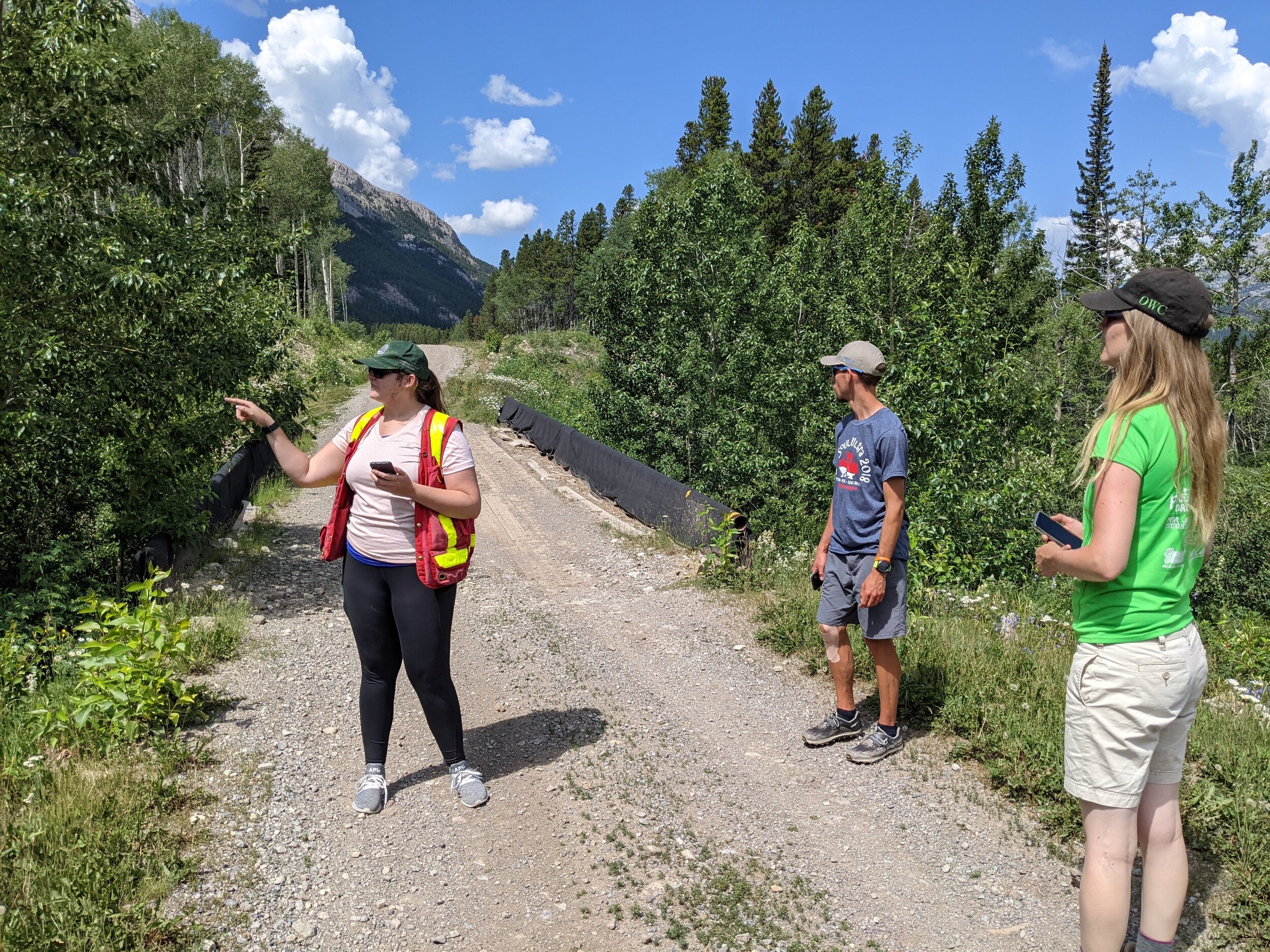
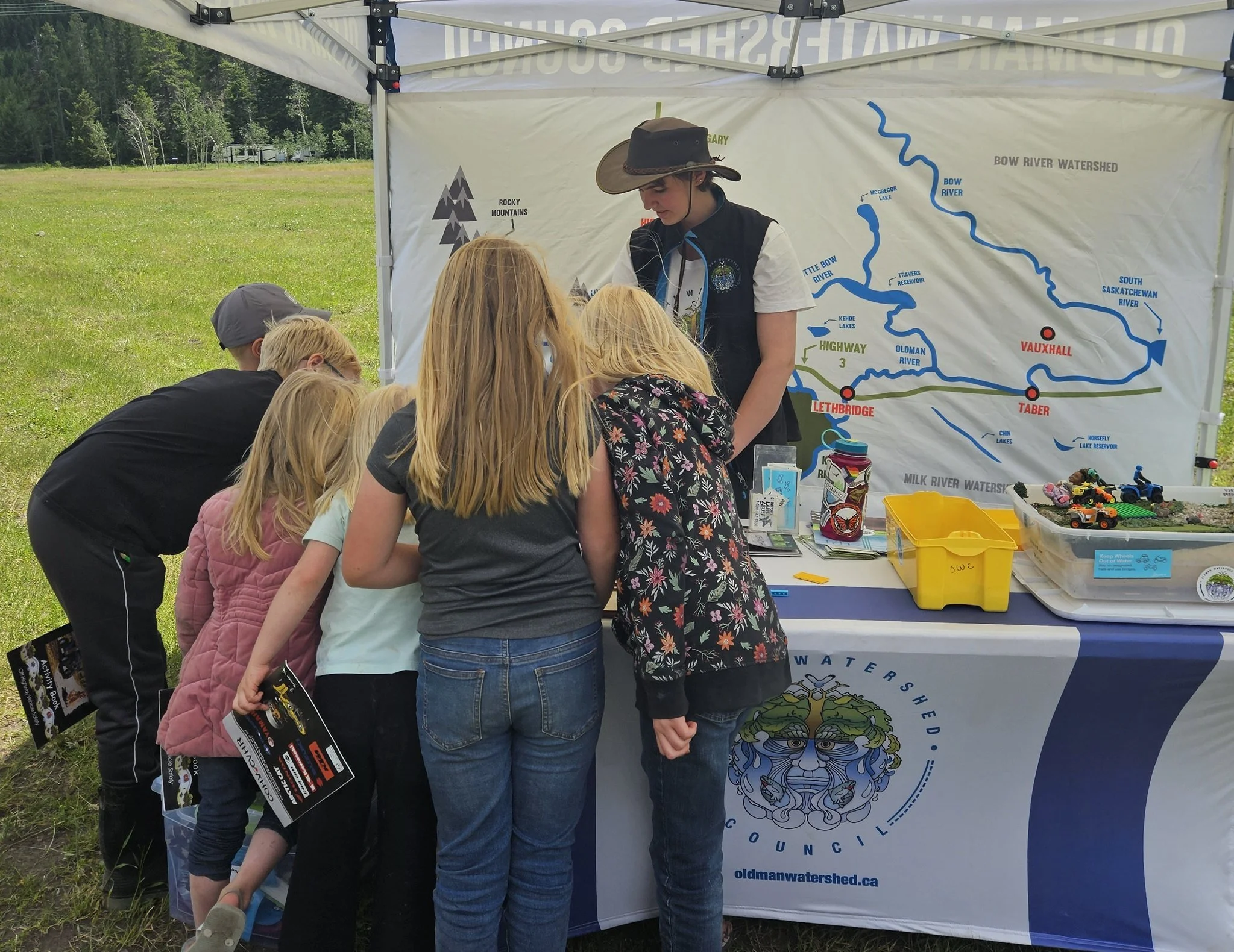
Throughout the year, OWC Watershed Stewardship Assistants talk to thousands of recreationists in the watershed at public events and targeted backcountry programs. We engage recreationists in conversation and provide public education about watershed health. By setting up interactive displays with games, information, and giveaways at popular staging areas, and by roving random‑camping zones to meet people where they are, staff spark respectful discussions that evoke personal values, deepen understanding of recreational impacts, and promote responsible behaviour.

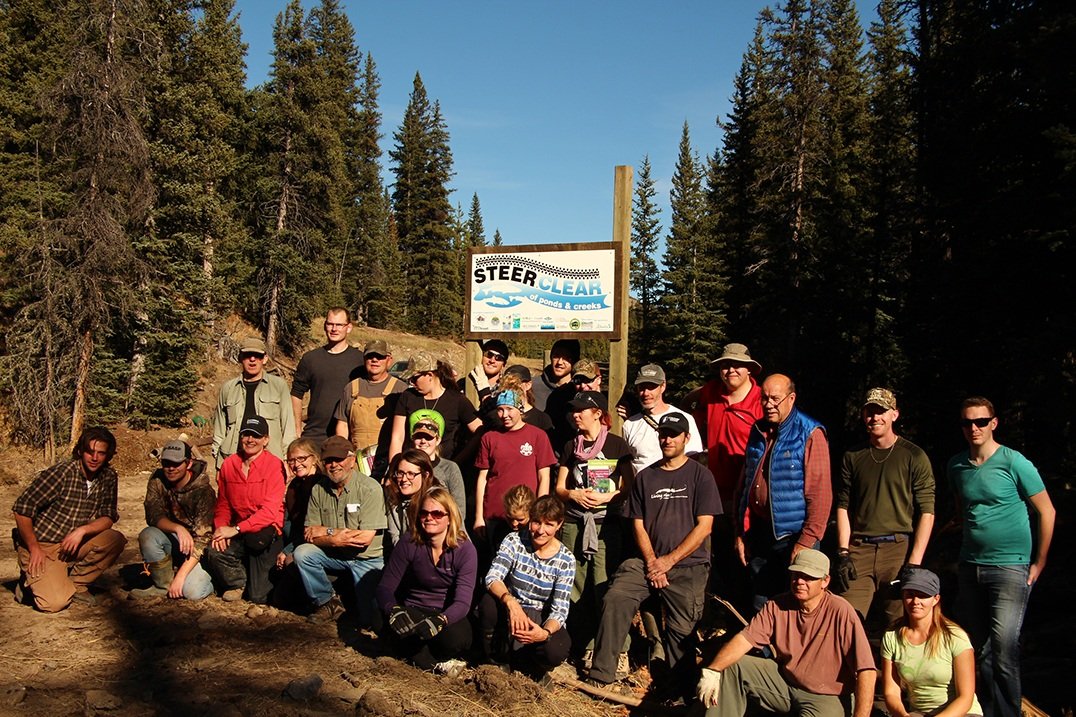
This project continues year-round, with winter outreach efforts aimed at hunters, snowmobilers, skiers, and snowshoers. We adapt our games and display materials for cold‑weather activities, and attend indoor and outdoor events to keep these conversations going! We also support and participate in local stewardship initiatives, such as weed pulls, garbage cleanups, and trail-building.
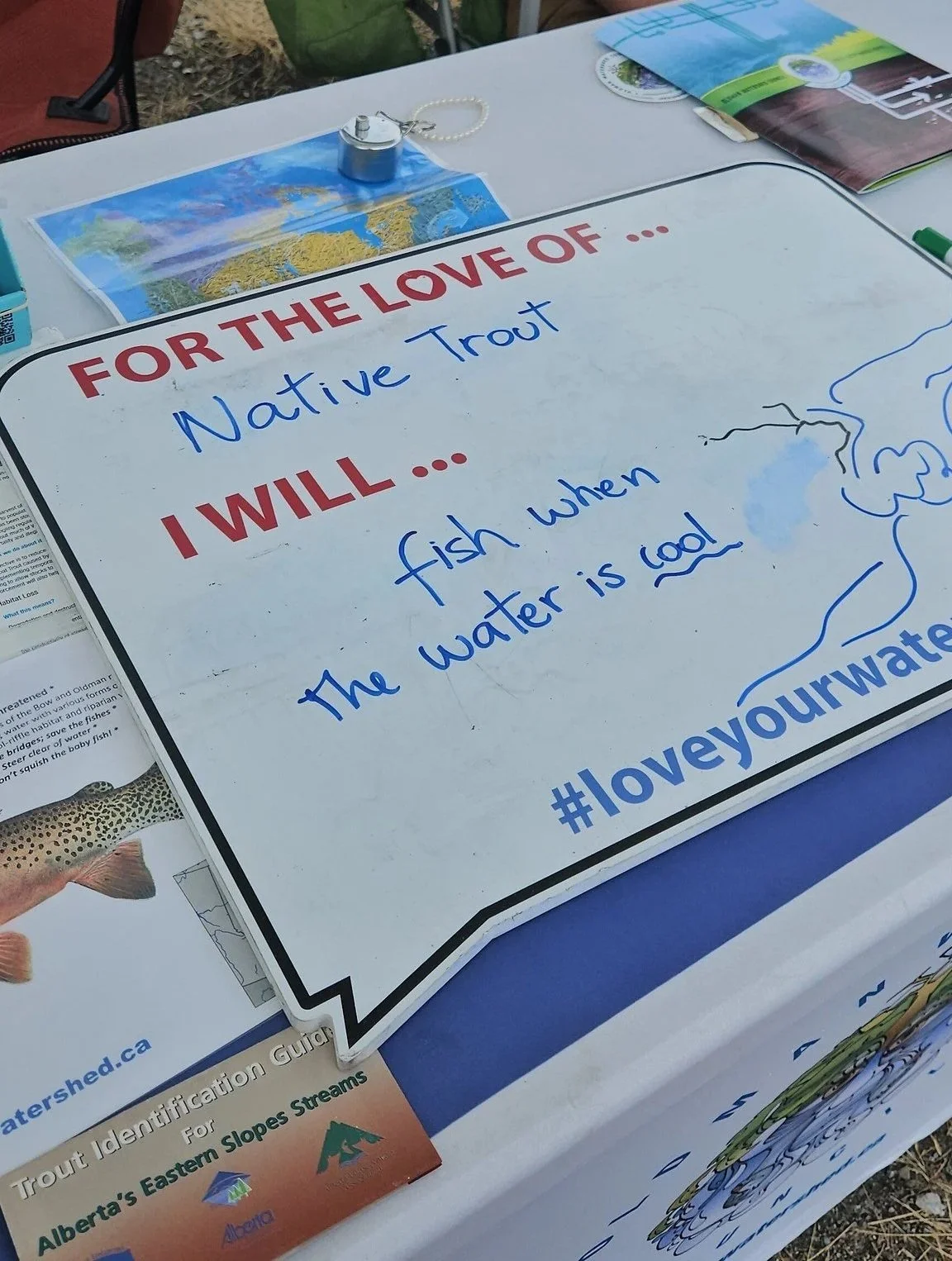
The OWC’s “For the Love of” campaign invites groups and individuals to share on a whiteboard and social media what they cherish about the backcountry — things like fishing, trees, camping, wildlife, mountain views, paddle boarding, quadding, side‑by‑siding, exploring, and creating family memories — and how they plan to care for it. Actions include using bridges, packing out garbage, practising Leave No Trace, preventing the spread of invasive plants, handling fish properly, never leaving food unattended, and teaching children to respect the land.
Through our efforts, we have noticed a shift in the conversations with more of a focus on the need for responsible recreation and stewardship in order to ensure sustainable use.
Resources
Lethbridge - SACPA - 013020 - For love of the Headwaters (video)
Motorized Recreation on Public Lands (Government of Alberta)
Managing recreation on public land: How does Alberta compare? (Environmental Law Centre)
SUPPORTERS, FUNDERS, & PARTNERS
This project is funded by the Government of Alberta’s Public Land Trails Grant.