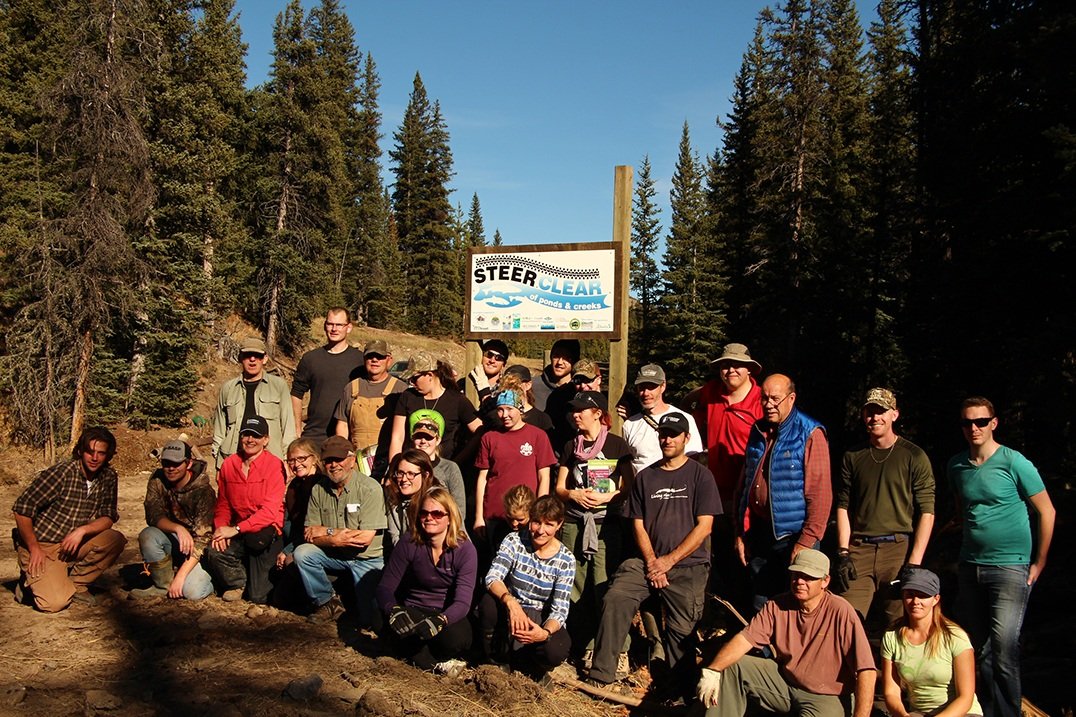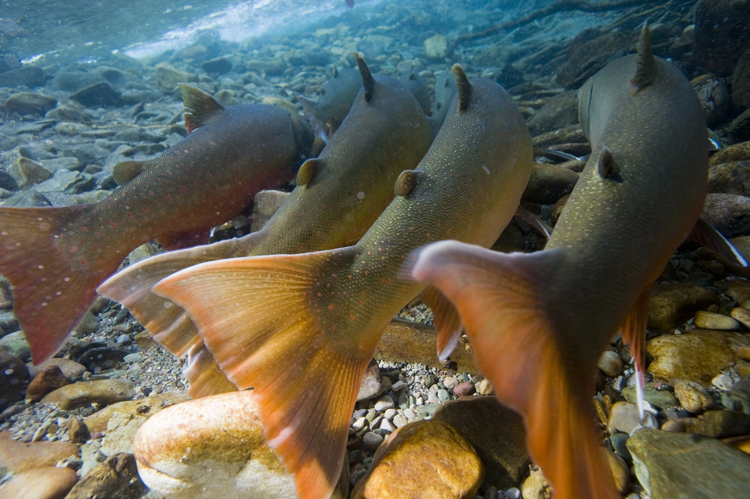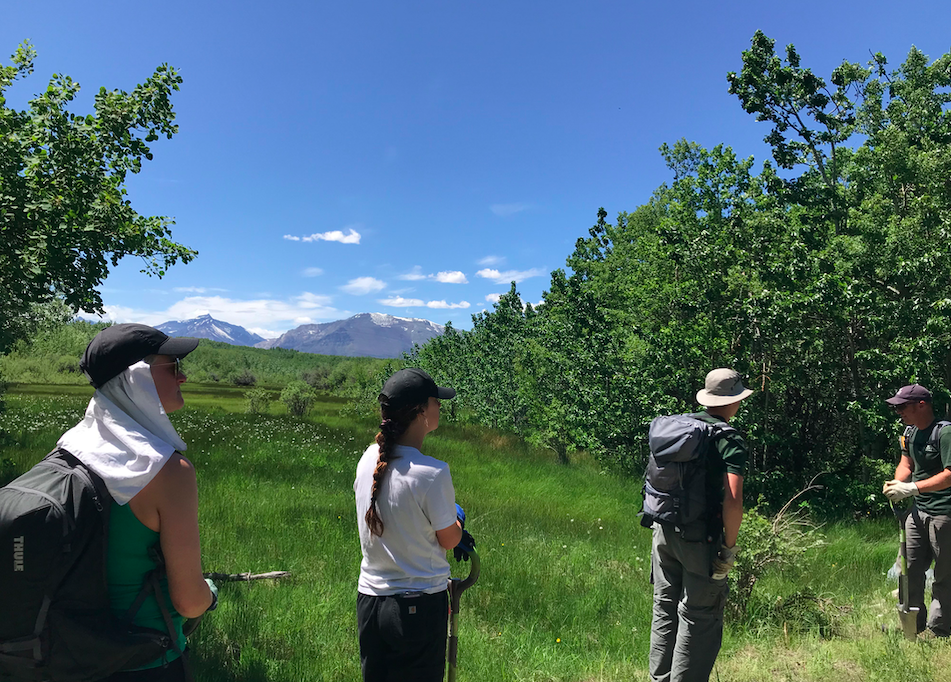
Banner photo by OWC: Is it worth the effort to restore areas like this? New economic findings show a decisive “yes.”
Blog by Writer & Content Specialist Sarah Moore.
If you have been following the work of the Oldman Watershed Council (OWC), you may have noticed that we invest significant time and effort in restoring Alberta’s landscapes with our many partners—planting willows on streambanks to reduce erosion, building beaver dam analogues, installing wattle fencing, removing invasive plants so native species can thrive, and more. But why does this work matter?
A new study demonstrates just how valuable restoration work across Alberta is for communities, generating an estimated $253 million annually since 2014 from the Government of Alberta’s flagship restoration funding program, the Watershed Resiliency and Restoration Program (WRRP). Intact, healthy landscapes such as wetlands and riparian zones—areas between land and a body of water—provide essential ecosystem services, including flood mitigation, water filtration, and water retention during periods of drought.
Breaking down the dollars
That $253 million annual figure is based on projects across the province funded through the Government of Alberta’s widely supported Watershed Resiliency and Restoration Program (WRRP). This highly successful program supports on-the-ground projects that restore and enhance wetlands and riparian areas. The results are clear: WRRP-funded projects deliver more than five times the value of the original public investment based on standard methods for valuing natural assets and their benefits for people.
Activities funded through the WRRP reduce the financial risks associated with drought and flooding while directly supporting agricultural and industrial sectors and rural communities. Collectively, these outcomes strengthen Alberta’s long-term water security.
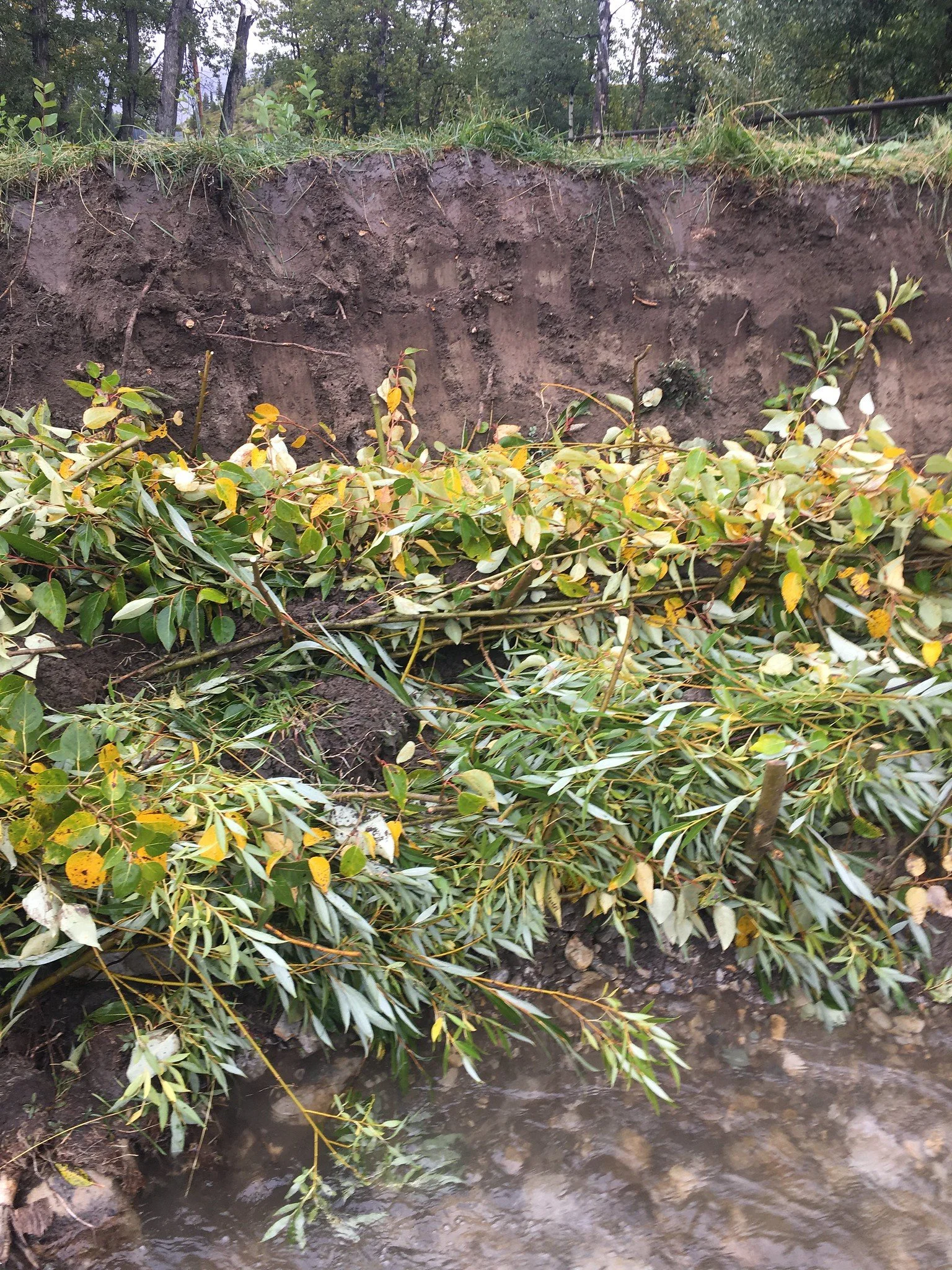
Wattle fencing, a bank-stabilization technique using willow and poplar stakes, on Lee Creek. This fall 2024 project was led by Freshwater Conservation Canada (FCC). Photo: OWC.
Avoiding flood and drought damage
Droughts and floods, as Albertans know well, carry significant economic costs. In 2013, insured damages from flooding in Calgary and southern Alberta reached $1.7 billion, making it the costliest disaster in Canadian history at the time. More recently, Alberta’s 2023 drought insurance payouts to food producers exceeded $326 million, breaking records by tripling payouts from the catastrophic droughts of 2021.
While restoration does not prevent extreme weather events, it plays a critical role in reducing their impacts. According to the study, WRRP-funded projects generate nearly $74 million annually by mitigating flood and drought effects, demonstrating the foresight of the Government of Alberta in investing in programs like this. What it adds up to is less damage and lower costs for those devastated by extreme weather events.
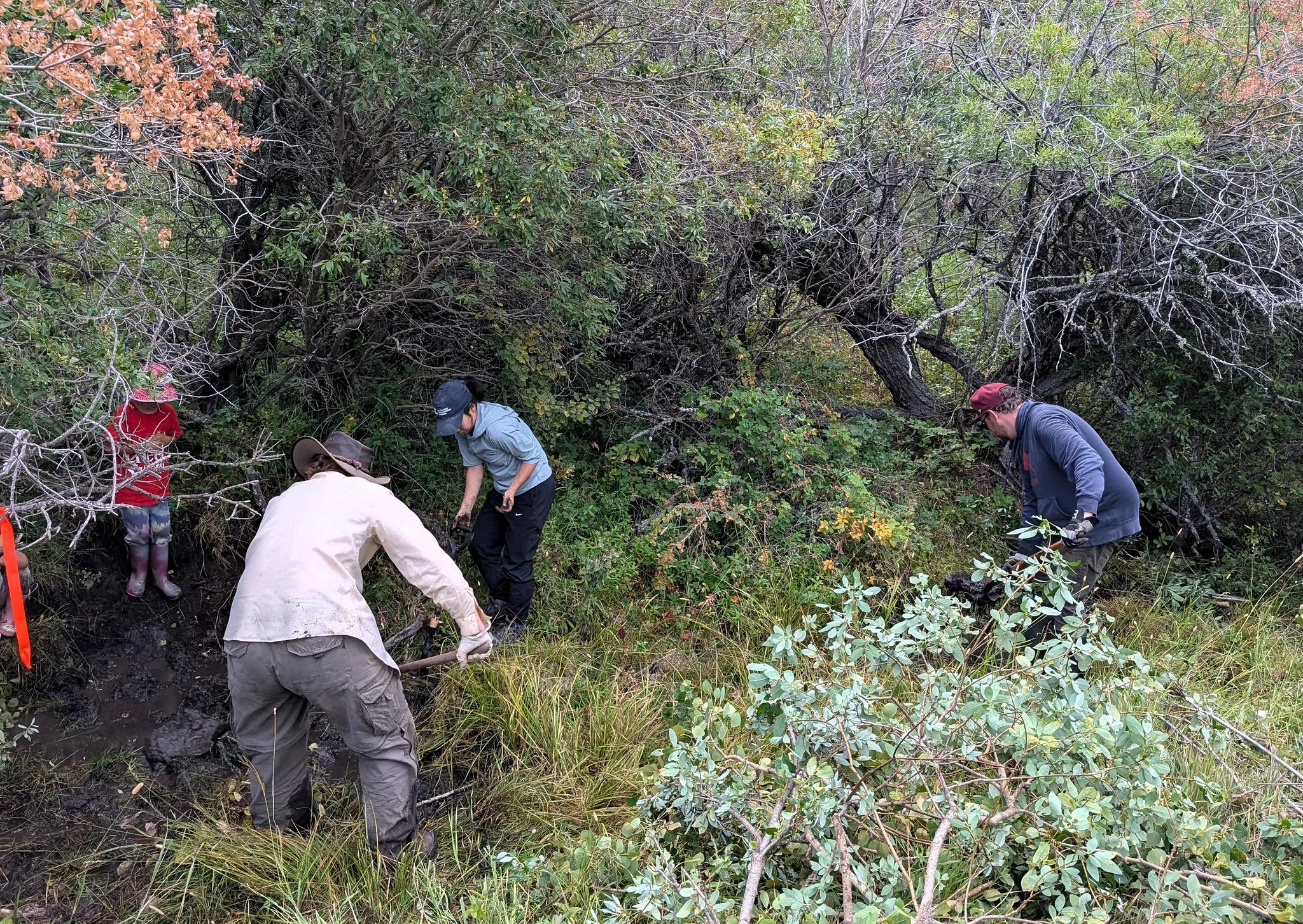
Building beaver dam analogues at Jim Creek with FCC. By slowing streamflow, these structures improve water availability during periods of drought. Photo: OWC.
The province’s prudent investments in natural infrastructure increases resilience in areas affected by flooding—such as the Calgary region in 2013—while delivering measurable economic benefits. Importantly, the value of restoration extends well beyond risk reduction.
Worthwhile wetlands
Restoration also delivers strong economic returns by supporting biodiversity, wildlife habitat, and water quality. Across Alberta, these ecosystem services from WRRP projects are valued at $129 million per year.
In Taber, for example, a two-hectare wetland constructed in 2016 with WRRP funding provides an estimated $200,000 in annual value, primarily for water filtration and flood and drought mitigation. This estimate comes from OWC’s forthcoming Ecosystem Services Value Calculator, a tool that provides dollar values for different land types based on the services they provide, such as water purification and air filtration. The calculator is scheduled for public release in the coming months.
By these measures, wetlands are the most valuable land type in Alberta, with a value of over $100,000 per hectare. They filter water by removing sediments, chemicals, and excess nutrients that run off from agricultural and industrial lands, while supporting a wide range of plant and animal species.
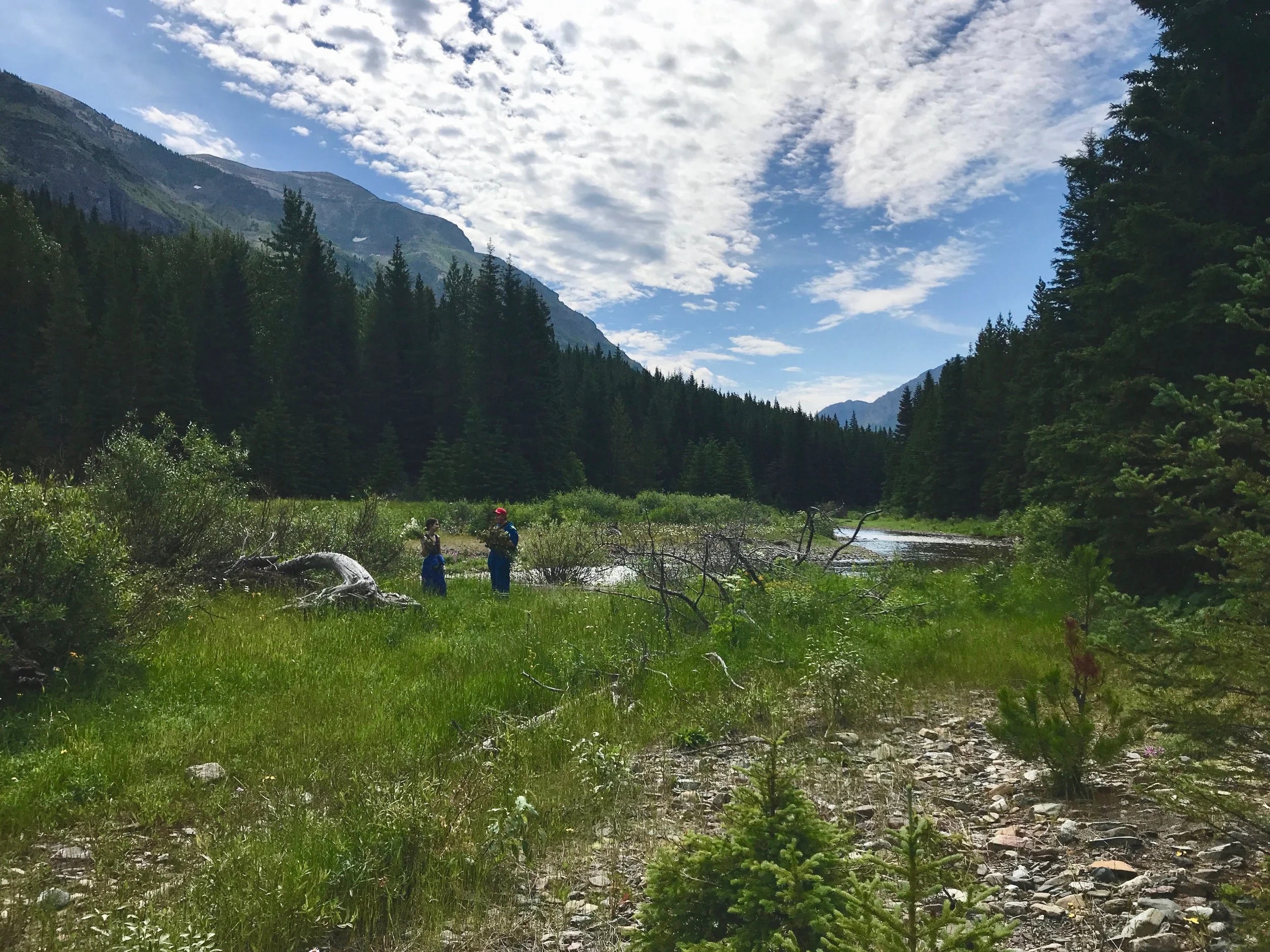
A wetland in Castle Provincial Park. Photo: OWC.
Widespread support for restoration
Through the WRRP, 44 non-governmental organizations, three irrigation districts, 26 municipalities, and one First Nation have directly received funding, demonstrating broad support for watershed resiliency and restoration. These projects also attract substantial non-government contributions and in-kind support through partnerships with many other organizations, including municipalities, First Nations, landowners, industry, and community groups. This collaborative approach stretches each provincial dollar further and amplifies the program’s overall impact. Read more about the dollar value of these projects in the study.
It’s clear that investment in restoration work is an investment in the southern Alberta economy, and the OWC has ambitious plans for the years ahead: working alongside our partners, we look forward to continuing to build resilient landscapes that deliver lasting economic value for Alberta’s communities.
Other groups are also working hard to maintain the level of environmental and economic development supported by the WRRP, such as the Alberta Coalition for Watershed Security, led by Albert Ecotrust. This coalition is made up of many leading watershed, sustainability and land stewardship organizations who are working across sectors and regions toward sustained investment in the environment and the economy.
What happens next?
In a future OWC blog, we’ll be breaking down the science of exactly how the dollar values in this study were calculated. For organizations and individuals undertaking land restoration, stay tuned for the launch of OWC’s Ecosystem Services Value Calculator, a tool to calculate the economic value of these critical projects. Provincial investment in restoration work is an investment in the southern Alberta economy.
**Editor’s note (as of March 3, 2026): The WRRP was not renewed in the 2026–27 Government of Alberta budget.**
Thank you to the Government of Alberta, RBC Foundation, and Alberta Ecotrust for funding this initiative.


Like all OWC’s blogs, this post was written by a real live human, without the use of generative AI.