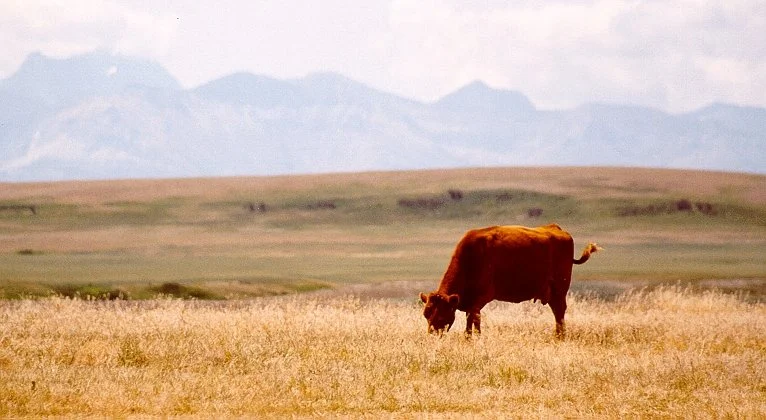
Blog by Watershed Stewardship Assistant, Chantel Youmans. Banner photo: Land stewardship is a job for many hands (or hooves), and cattle are at the forefront of efforts to enhance Alberta’s rangelands.
Standing on the edge of a slightly rolling pasture with winds blowing through the soft grasses, I find myself slightly awestruck, thinking, “What a labour of love these grasslands are.” Labour is a key word: here in Alberta, our grasslands are the result of many thousands of years of shaping and influence, from both geologic processes and the animals that came before us. Fresh from the 22nd annual Southern Alberta Grazing School for Women, every field I pass is a reminder of the constant effort involved in keeping Alberta’s grasslands thriving through sustainable grazing management.
Today, much of the grassland that surround us is considered rangeland: invaluable land that contributes significantly to the food we eat and the environment in which we play. Rangelands include grasslands, but also a variety of other ecosystems like shrublands, wetlands and more. They consist primarily of native plant species (unlike a typical pasture that consists mostly of agricultural plants).
While land set aside for growing crops like wheat, oats, barley, and canola is managed with the specific needs of one crop species in mind, rangelands are managed as natural, dynamic ecosystems that can support grazing for both livestock and wildlife. Historically, bison have been the great driver of grassland development, evolving alongside our prairies. Today, cattle and the land managers that care for them play an important role in supporting Alberta’s diverse grasslands.
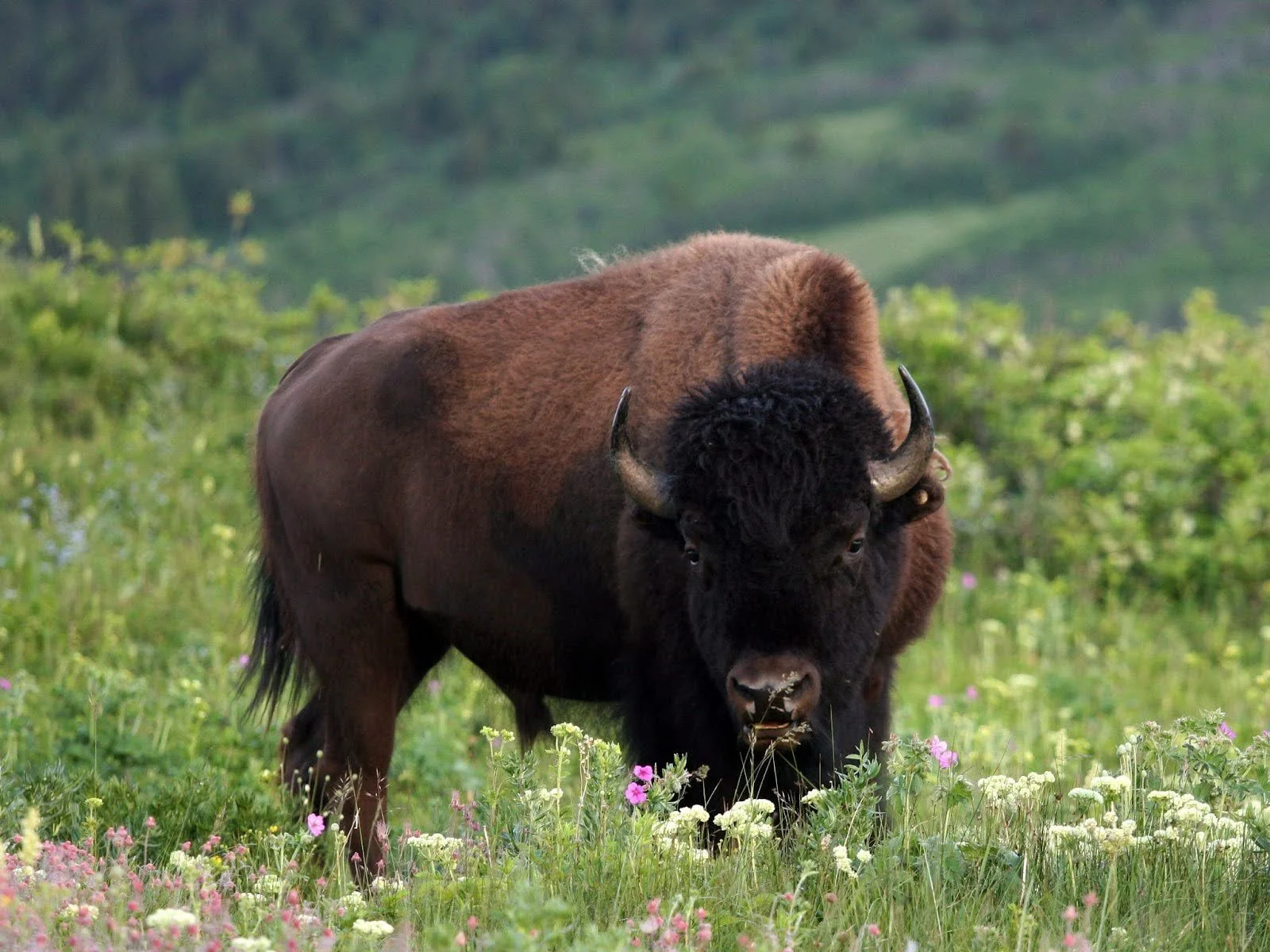
The original “land managers,” plains bison have been defining grassland landscapes for millennia, and provide the blueprint for land managers today to continue their invaluable work. Photo: Rochelle Coffey.
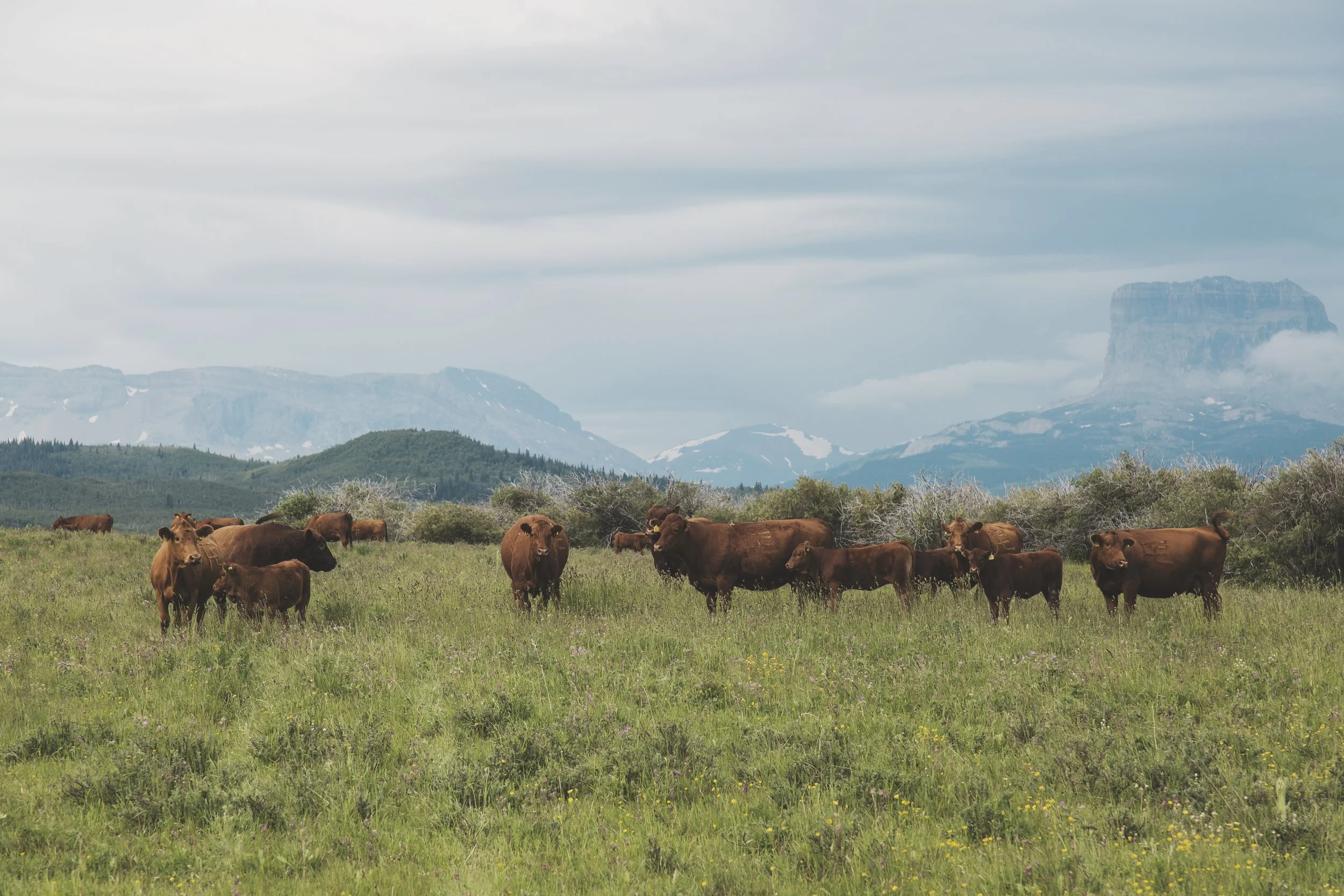
Today, cattle play an important role in replicating the work of bison, maintaining open rangelands and diversifying the landscape. Photo: Jayme Cabrera Lopez.
grassland basics
Grasslands are disturbance-based ecosystems, which means they thrive with semi-frequent pressures like fire and grazing that shape and maintain them. The open landscape of a grassland is often threatened by the invasion of larger plants like trees and shrubs that seek the more readily available light and nutrients and can flourish over grasses and other small plants. When this change in plant dynamics happens, a grassland then can’t provide the food sources and habitat that prairie wildlife need.
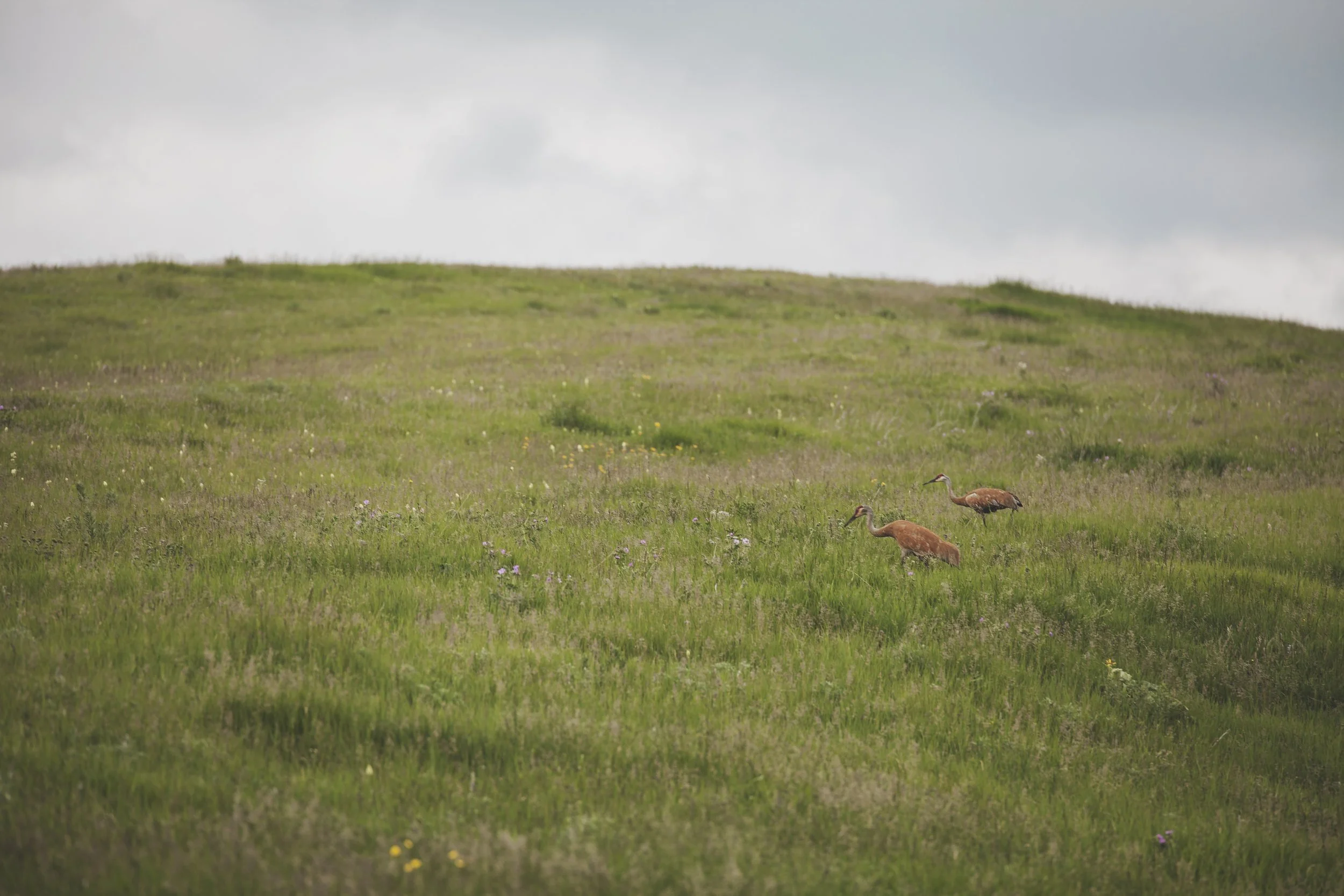
Sandhill cranes are waterfowl, but non-breeding birds can be found in open prairie habitat. Well-tended rangeland provides plentiful food sources to enjoy. Photo: Jayme Cabrera Lopez.
Grasslands with cattle and other livestock, like goats, have a first-line defender against the encroachment of trees. Livestock happily munch aspen suckers and other saplings, preventing them from establishing. With less competition, native grass species grow more readily, and mild soil disturbances caused by hoof trampling can create ideal spaces for seedlings to grow. Grazing from large animals like cattle can promote diversity on the landscape by sporadically ‘clipping back’ patches of grass, which makes some plants shorter and allows other, that need plenty of sun, to grow. Areas that are left to rest or otherwise ignored by cattle grow taller, creating more cover and giving shade-loving plants their own chance to pop up. These behaviours create a diverse landscape for native wildlife like the sandhill crane, which lives in a variety of habitats from upland prairie to wetlands throughout its lifecycle.
Clearly, a healthy rangeland can provide many of the same functions as native grassland. However, rangelands needs regular upkeep and maintenance to keep these complex ecosystems healthy while still providing the necessary agricultural resources our dinner plates rely on.
What makes a rangeland?
Managing a rangeland is quite different from managing land used to produce crops like corn or canola. Crop production falls under a fairly routine cycle of seeding, fertilizing, and growth, followed by harvests to collect the crop for processing. Most of these crops are not native to the southern Alberta landscape and need more water and nutrients to grow, requiring agricultural technologies to succeed.
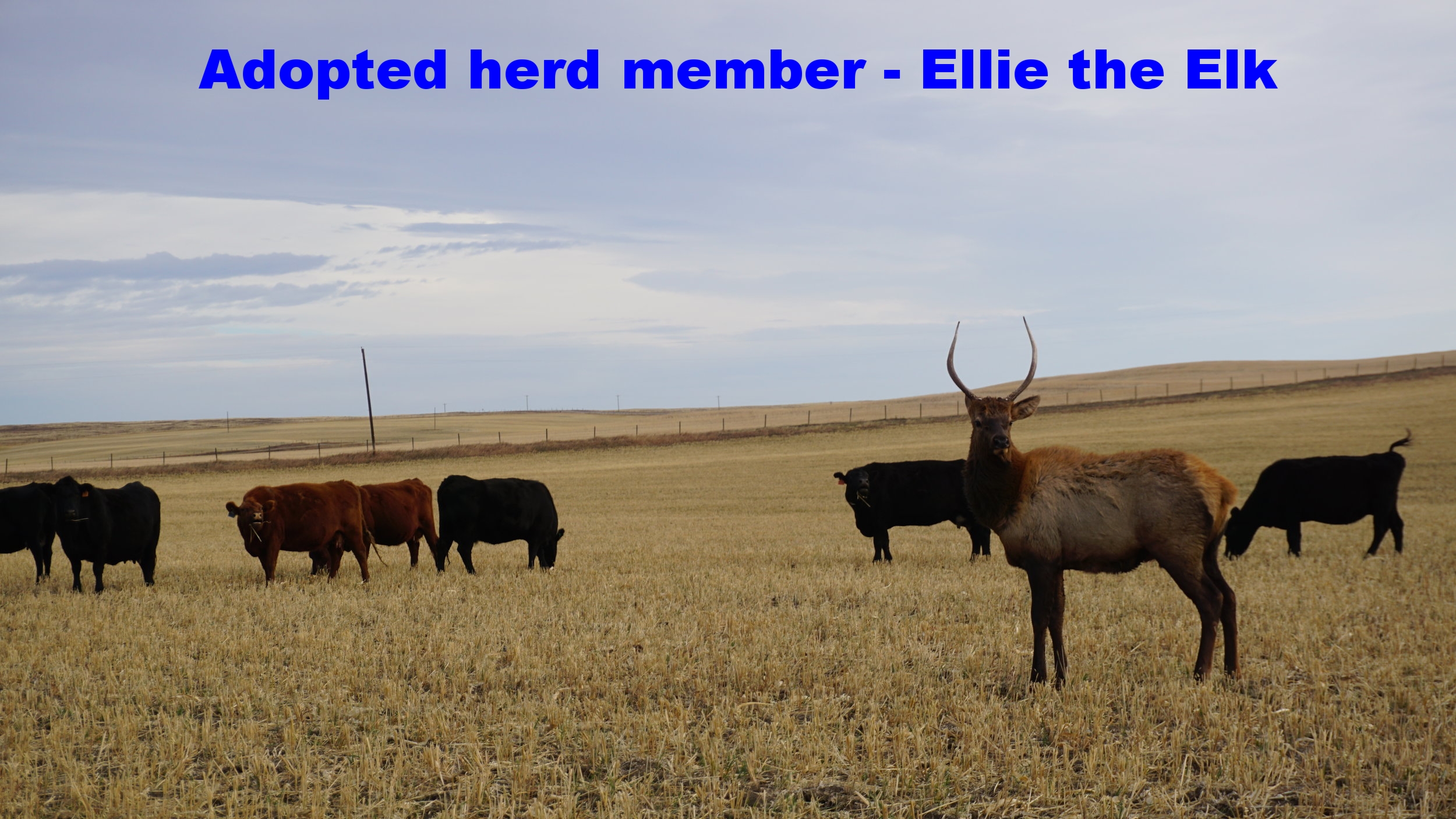
Elk and cattle share the land in this photo from 2017.
While rangelands can (and often do) include a mix of introduced and native species, they are treated much like a native grassland, providing grazing and browsing for livestock rather than a traditional harvest. Rangelands rely mostly on carefully monitored ecosystem processes and process-based technologies. To truly be considered a rangeland, an area must provide habitat and resources for not only domestic animals like cows, sheep, and goats, but also wildlife like deer, elk, prairie birds, and more.
Assessing the health of the land and how well it can provide habitat and resources is a big task. Ranchers and land managers adapt assessment tools and protocols used by scientists to get real-time data on the fly, multiple times a season, and create a living image of rangeland health. I saw first hand during the Southern Alberta Grazing School for Women just how dedicated our producers are to developing these skills, carefully analyzing test spots in each field for soil health, water retention, plant species makeup, and more.
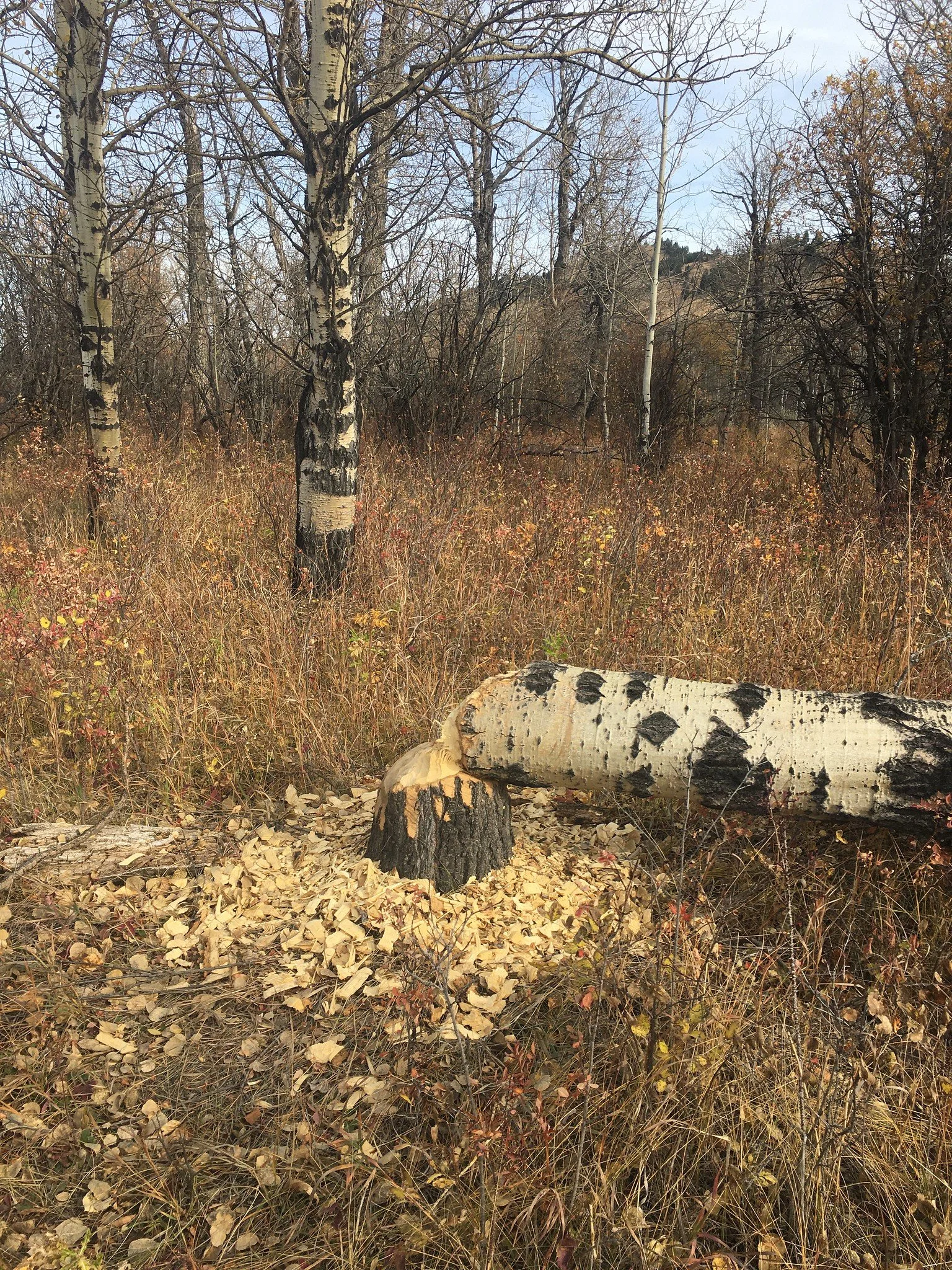
Evidence of beavers hard at work in Black Creek Heritage Rangeland in fall 2024.
Recognizing how crucial rangelands are for maintaining ecological diversity, supporting agriculture and industry, and facilitating recreation for Albertans, the provincial government has designated some areas as heritage rangelands, like Black Creek Heritage Rangeland. This designation adds a layer of protective management to help the land prosper. The big challenge on a range, though, is cattle with minds of their own.
How exactly does one convince a cow to be a steward of the land?
Rangeland management in action
Balancing the needs of both rangeland and cattle is no small feat! To prevent damage to the land from overuse and sustain the well-being of their paddocks, land managers put into practice the science of rangeland management, which is built from four guiding principles: livestock distribution, providing rest periods, defining vulnerable time periods to avoid, and moderating grazing intensity.
On the land, this takes the form of a variety of techniques, technology, and equipment.
For example: to keep cattle from overusing prime areas and causing damage to water courses, off-site water sources are placed well away from natural water bodies. Mineral blocks and salt licks are strategically placed in less favourable spots like steeper slopes, encouraging cattle to graze over the entire available rangeland. Portions of the range are fenced off and grazed on a rotating basis, with some areas resting for an entire year to recover before re-entering the rotation. Portable electric fencing units, powered by solar panels, allow ranchers to customize paddocks throughout the growing season and make it easier to protect sensitive areas like wetlands or stands of rare plants. Most plants, especially native grasses, are vulnerable to damage in early spring when their root reserves are depleted and new leaf growth isn’t quite ready to start replacing them. Portable fencing makes it possible to selectively graze hardier species in those vulnerable periods, supporting continued diversity on the landscape.
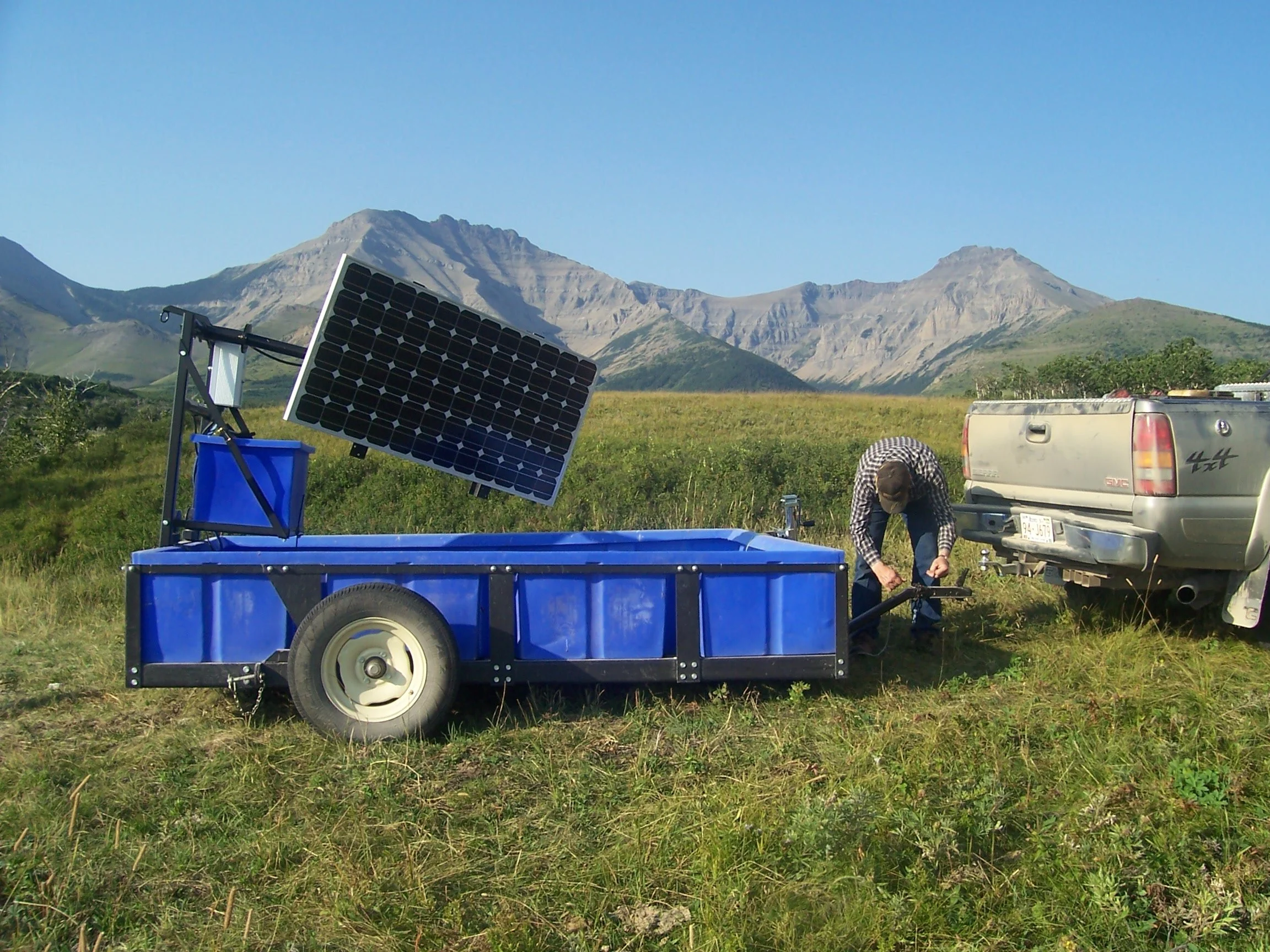
A solar-powered offsite watering system. Photo: Anne Stevick.
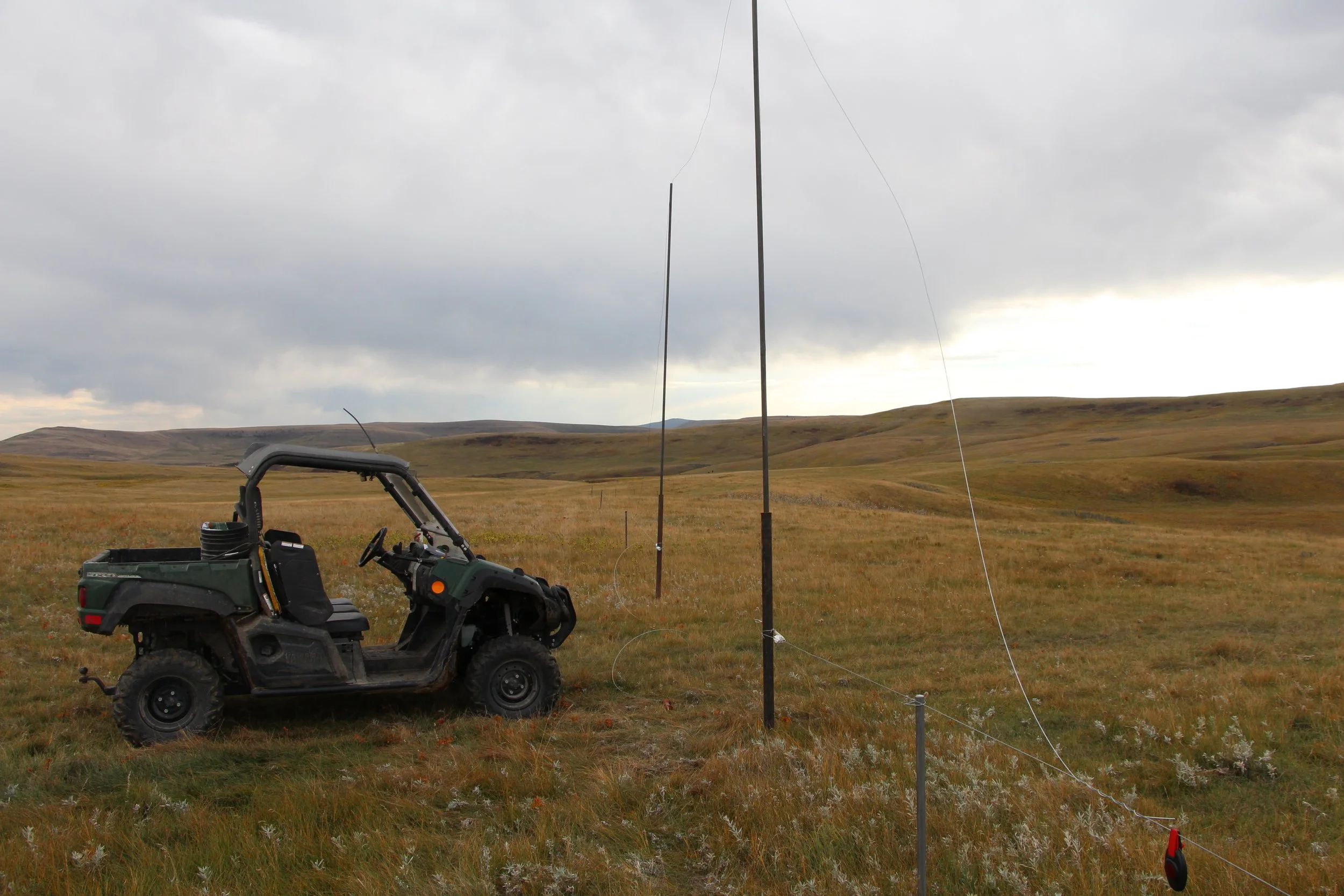
Portable electric fencing allows land managers to fully customize their fields and exclude sensitive areas, such as riparian zones near water courses, from grazing.
To ensure the amount of cattle on the land at any given time is appropriate, calculations determine the animal units per month that a range or paddock can support. These calculations help guide decisions on herd dynamics and stocking rates.
Drones are quickly becoming a staple in rangeland management as well: drones can easily assess sensitive areas of habitat that may be difficult to reach on foot or by vehicle, which helps to monitor and map rangelands with extremely fine detail. This detail can be critical for targeted pesticide applications to minimize weeds, and can also be used to monitor livestock themselves, identifying hotspots of activity or animals that may need veterinary attention.
The thoughtful combination of these elements, balanced across the season and the years under the careful watch of a dedicated land manager, allows rangelands to thrive.
Building better rangelands, together
In an ever-evolving landscape like the southern Albertan prairies, land managers have to be flexible and innovative to balance all the factors necessary for healthy rangelands and livestock. Caring for rangelands involves adaptive management strategies and the careful and consistent assessment of the landscape (and the occasional Herculean effort or race against the clock!).
Collaborative learning experiences, like the southern Alberta grazing school I attended, allow producers to build on each other’s work and spur ingenuity year after year. Working to replicate the conditions and pressures our grasslands developed under, all while keeping Alberta’s plates full, is certainly a juggling act — one full of learning, endless fencing adjustments, drones, and people power. It all comes together in an evolving blend of scientific practice and place-based learning where the ranchers and land managers at the forefront are always on their toes, ready to puzzle out a steady stream of challenges. This is the nature of our grasslands here in Alberta, a constantly shifting mosaic of plants, soils, water courses, animals, and people that truly makes rangeland stewardship here a project for the passionate.
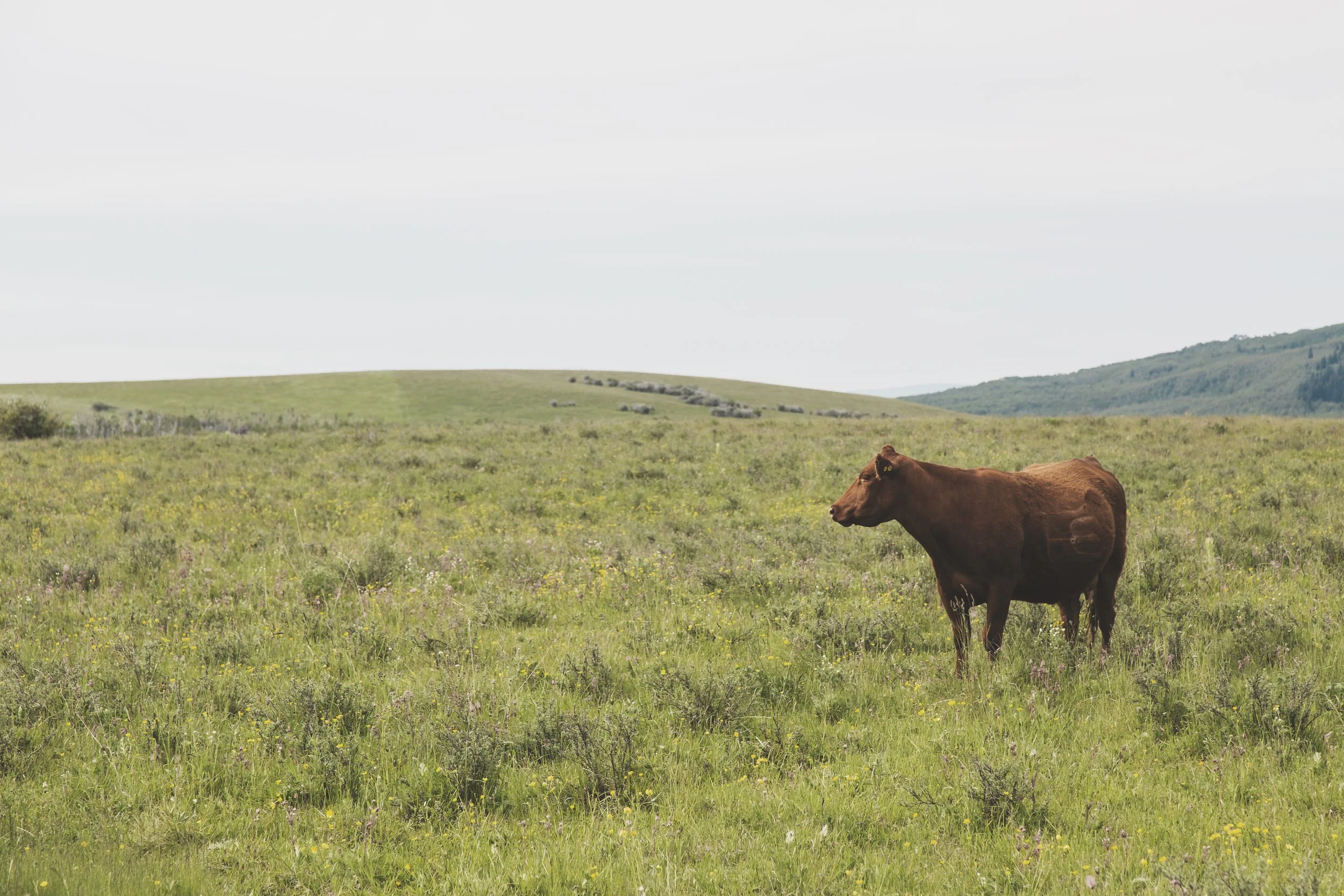
With hard work and determination, land managers and the cattle they tend will keep our rangelands healthy for generations to come. Photo: Jayme Cabrera Lopez.
Like all OWC’s blogs, this post was written by a real live human, without the use of generative AI.