People have always recognized the importance of water. Early settlements were built around sources of freshwater; rivers, streams, and lakes provided transportation routes, drinking water, and food, and were also used to dispose of waste. Today, water supplies electricity and play an important role in commercial and industrial enterprises.
Safe Water Supply
A healthy watershed provides clean water to drink, to grow our food, and to use at home for cooking, washing, and cleaning. It also means clean water for plants and wildlife. An unhealthy watershed may still provide water, but it would cost more to treat to make it safe for human use, may cause health problems for people and animals and could limit recreational activities.
Services
A healthy watershed is more capable of providing services than an unhealthy one because it functions better. Natural processes such as wetlands filtering polluted water or decomposing plants improve soil used for agriculture. These are free services that cost large amounts of money to duplicate.
Recreational Opportunities
A healthy watershed has limitless possibilities for recreation and ensures the land and water can be enjoyed safely.
Photo by Connie Simmons
Habitat for Wildlife and Plants
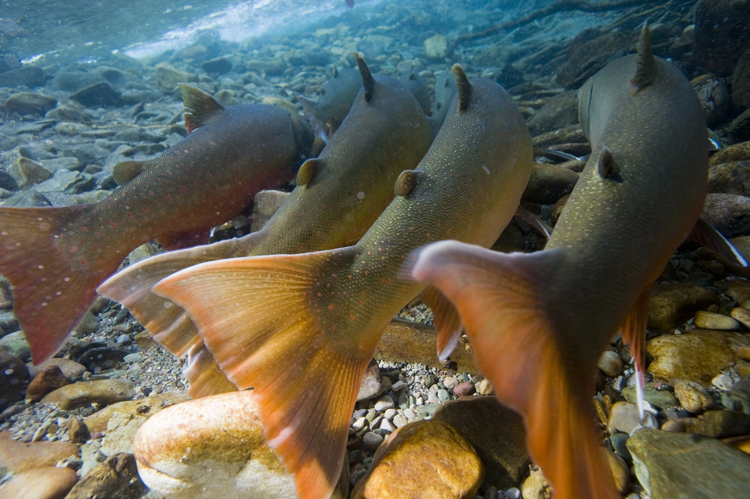
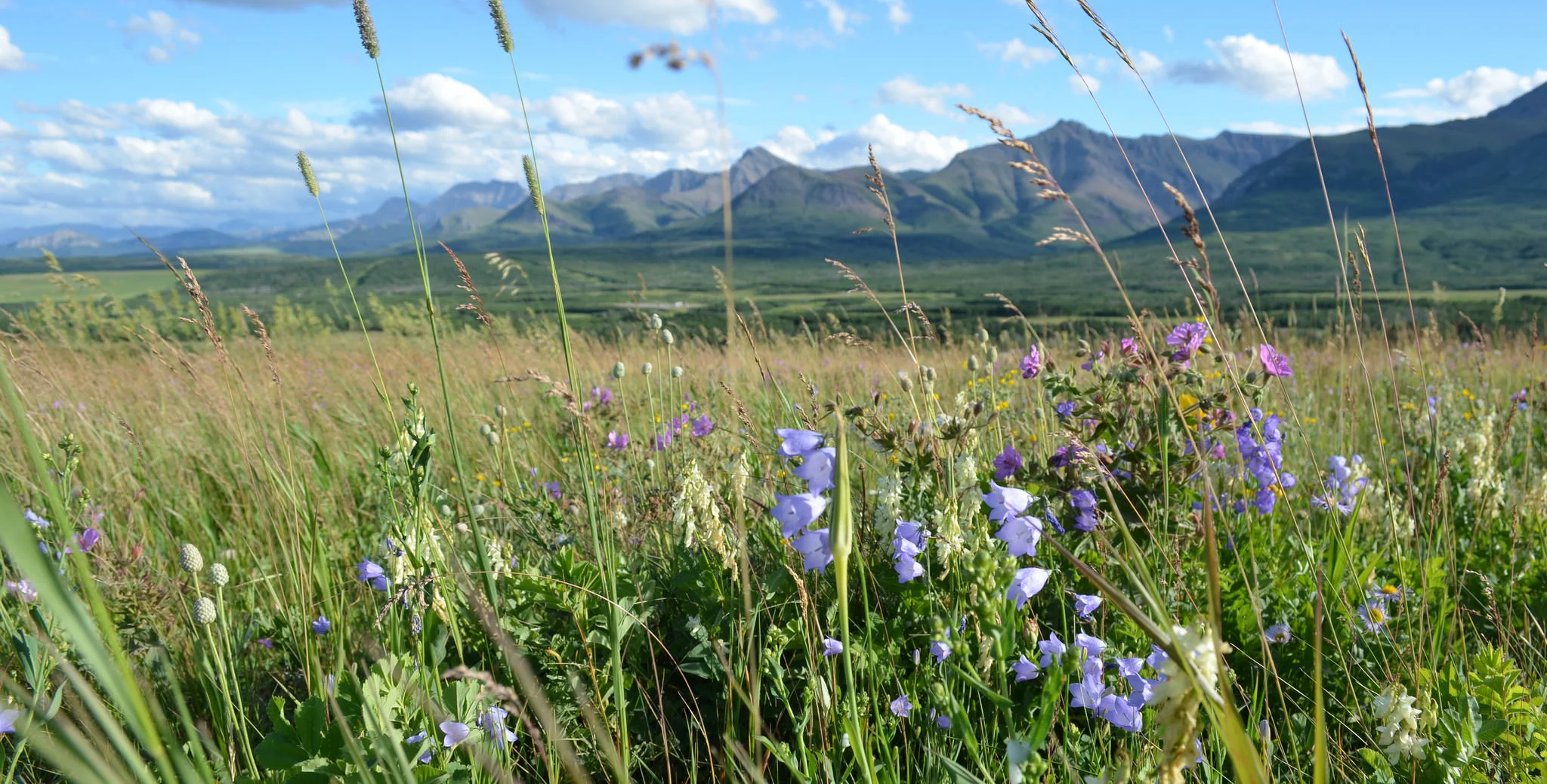
A healthy watershed provides high quality habitat for wildlife, such as natural grassland for pronghorn or a clean, clear stream for bull trout. Healthy wildlife and plant populations are strong indicators that the watershed supporting them is also healthy.
Economic Options
A healthy watershed can support economic development. Agriculture and tourism benefit from an intact environment but ultimately all forms of development depend on the environment they take resources from and send waste to.
Aesthetic Value
A healthy watershed is beautiful and inspiring. People are naturally connected to nature and feel good knowing wild places exist. Many forms of art showcase nature’s ability to leave us in awe.
Related pages on Watersheds