OVERVIEW

Creating your own Prairie Urban Garden showcases the beauty of southern Albertan native flowers, creates habitat, results in a low-maintenance yard, and saves water. Say goodbye to lawn mowing! We have all you need to know to get started.
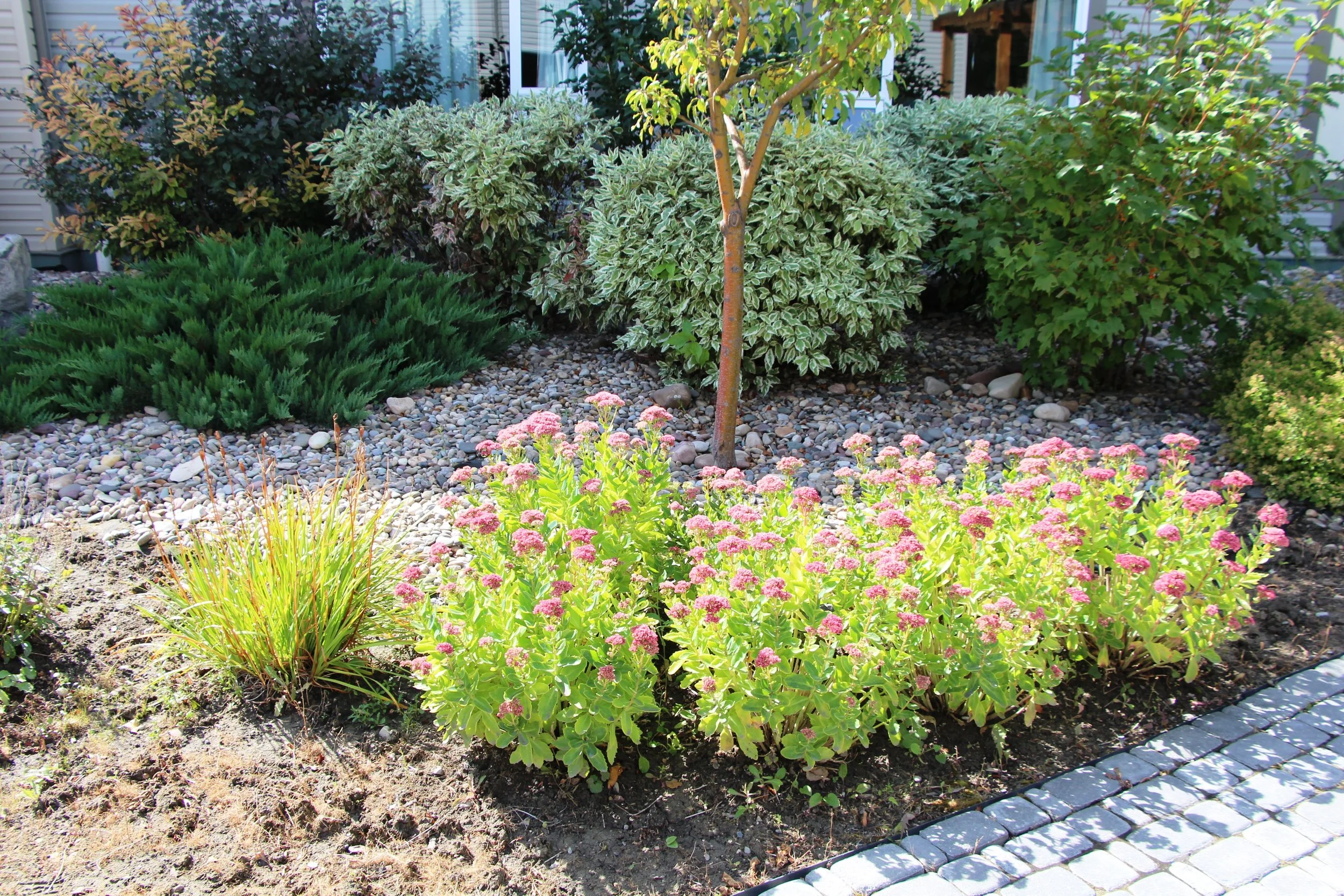
Xeriscaping is a landscaping method for arid and semi-arid climates that uses water-conserving techniques, mulch, and efficient irrigation. By planting native and drought-tolerant varieties that naturally thrive in the dry prairie environment, you use less water and few or no pesticides or fertilizers compared to a traditional lawn. That helps protect water quality! You can enjoy a beautiful yard, complete with gorgeous blooms, and save on your monthly water bill — all with very little maintenance.
Xeriscape™ is a registered trademark belonging to the National Xeriscape Council, Inc.
How to get started
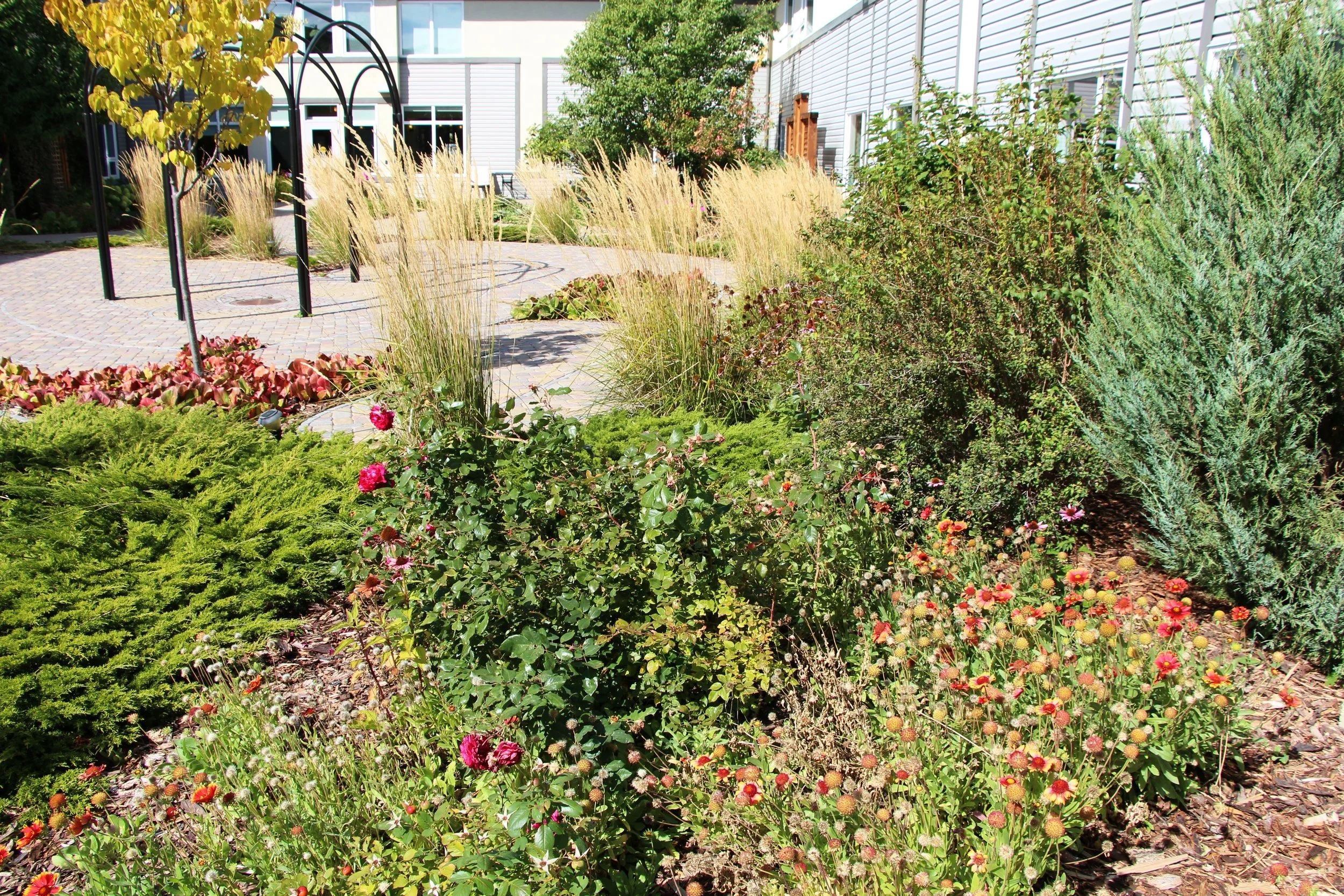
A Xeriscaped yard or garden follows certain principles of being practical and environmentally friendly. Xeriscaping is not the same as zero-scaping and does not focus on rocks, stone, and gravel but on the following seven principles:
-
Sketch your yard, including decks, trees, and sheds.
Zone each area by activity or purpose.
Colour-code areas by sunlight, precipitation, and water needs.
-
Add 2 or more inches of organic matter like compost or aged manure and mix to a 6-inch depth.
-
Limit your lawn area to only what you need and where it will provide a function.
Choose grass seed mixes that have low water requirements.
Where lawn is hard to grow or maintain, substitute with drought tolerant groundcovers, perennials, shrubs, a path, a bench, or a sculpture.
-
Group plants by water needs and zone lawn areas separately as they use the most water. Lawns need 1-inch of water per week (2.5cm). Measure this using a timer or gauge (a tuna can or an upside-down frisbee works well).
Use irrigation systems that place water directly in the ground, like drip systems or soaker hoses.
Avoid sprinklers that shoot water high into the air, produce a fine mist, or oscillate, as these lose water to evaporation.
Water in the early morning when it’s cooler. When you water in the heat of the afternoon, you lose a lot of water to evaporation, and less gets absorbed by plants.
Use rain barrels and water less when it rains.
-
Choose plants that don’t need a lot of water and group them by water needs. If you using high-water use plants, place them in low-lying areas that naturally receive drainage and are convenient for irrigation.
Many plants grow well in our climate, so you can select plants based on structure, colour, texture, or fragrance. Plants that are native to the prairies are a great choice: they are accustomed to the dry climate and naturally require less water. Click here for a full list of the best plants for your Prairie Urban Garden.
-
Mulches reduce evaporation, reduce weed growth, slow erosion, and look great too. Wood chips and shredded bark feed the soil with organic matter.
Mulch all parts of the landscape except the lawn.
-
Prune dead or diseased branches anytime. Most other pruning can be done in winter or early spring.
Remove spent flowers throughout the summer before they mature into seed heads.
Aerate lawns in spring and mow regularly to a height of 2 inches. Leave grass clippings on the lawn for a good source of nutrients (which also save you from bagging clippings!).
Fertilize according to plant needs. More is not better.
Control unwanted plants by digging them out or applying herbicides to targeted weeds only when necessary. Do not use products that combine fertilizer and herbicide.
Why xeriscape?
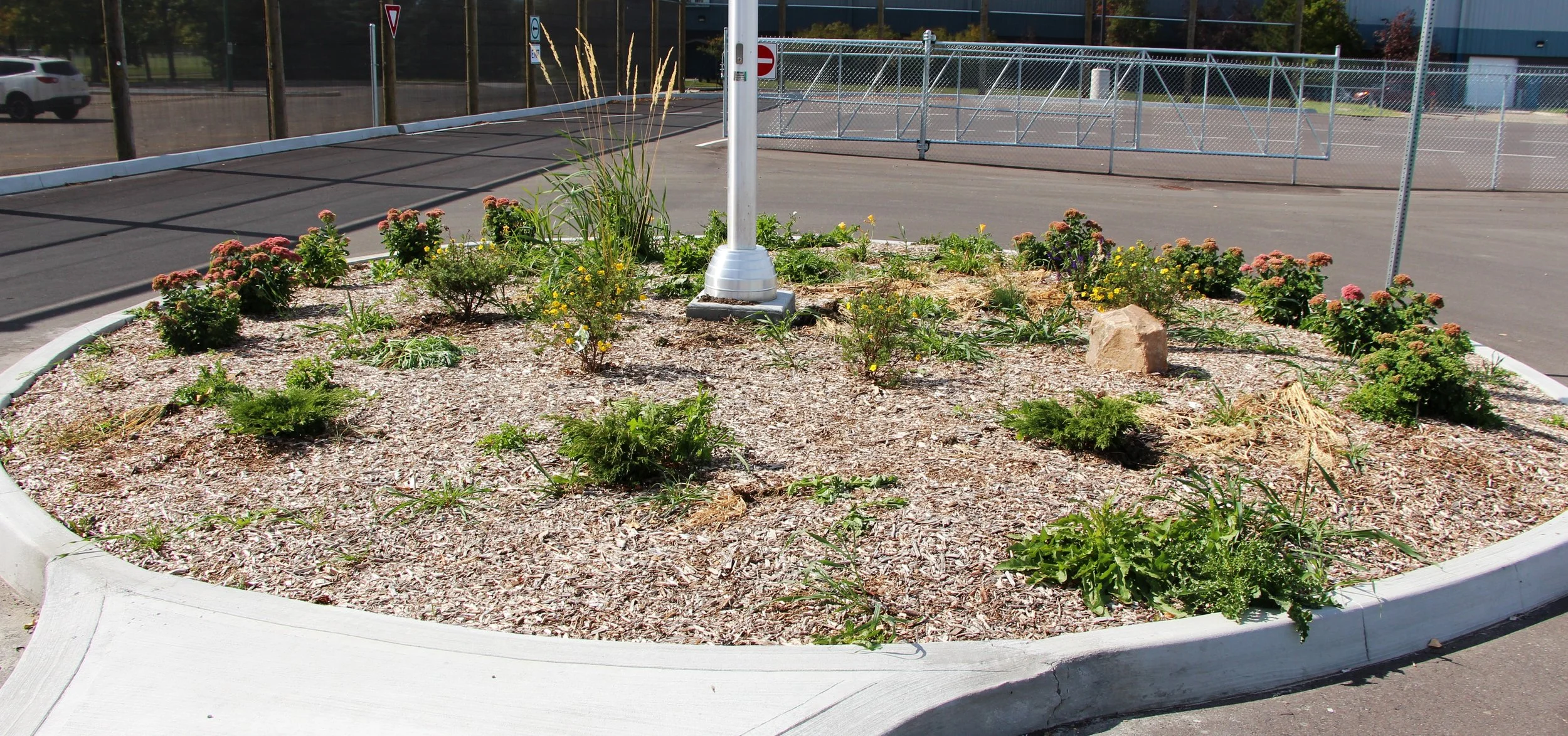
Avoiding runoff with too many nutrients from fertilizers, conserving water in a dry climate, and saying bye to pesticides to save time, energy, and water quality are just a few of the great reasons to have a xeriscaped yard.
-
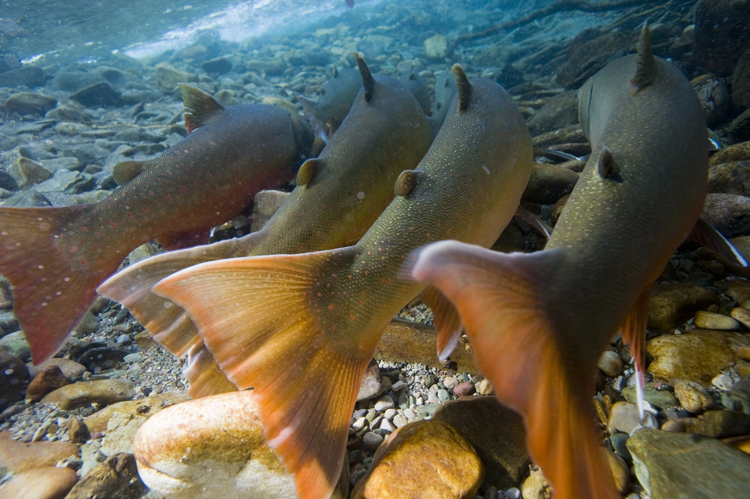
You have likely seen unsightly and stinky ponds where there is a lot of plant and algae growth. This can be caused by nutrients from fertilizers, and it’s a big problem for the rivers and reservoirs of the Oldman watershed! Runoff from our lawns and farms carries nutrients like phosphorus and nitrogen that cause algae and aquatic plants to grow. If there are too many nutrients, and therefore too much growth, we see algal blooms that carry bacteria harmful to human health, and beaches must be closed. All this plant growth also uses up oxygen in the water, which will kill fish if oxygen levels get too low.
Prairie Urban Gardens help because native plants don’t require chemical fertilizers with extra nutrients. Instead, use natural manure, much, or compost when needed. These organic fertilizers release the nutrients slowly over time and are less likely to affect stormwater. One easy thing to do is leave your grass clippings on the lawn. They act like a mulch and disappear in just a few days.
-
Southern Alberta's climate is dry and drought is common. Because we live in a dry grassland environment, we need to manage our water carefully to ensure there is enough for the river, the plants, trees, and animals that depend on the river, and human needs.
In summer, the highest use of treated water in cities and towns is watering lawns. Water use actually increases by 50% in the summer due to lawn watering alone! Prairie Urban Gardens can help. Once they are established, they require little to no water — in fact, over watering will harm them. Using a rain barrel and watering your lawn only 1-inch per week will also help reduce the amount of treated water being used for lawns.
-
Pesticides are chemicals used to kill insects, vegetation, fungi, or rodents. Herbicides (a type of pesticide) only kill vegetation. Over 100 communities across Canada have restricted the non-essential use of toxic lawn and garden chemicals, including pesticides, because of their effects on human health and water quality.
A common misconception is that storm drains and sanitation sewers are part of the same underground pipe system that is treated at the wastewater treatment plant. In reality, storm drains transport water runoff from lawns, gardens, and roadways directly into the river — untreated. This means that excess pesticides from fields, lawns, and gardens get washed into the street by rain or routine watering, then are carried into a storm drain and directly into a body of water. This can result in a decline in water quality.
Using pesticides to keep lawns weed-free and pristine is a common practice, but there are plenty of alternatives that are better for water quality and safer for human health. For example, “weed-and-feed” lawn care products contain both herbicides and fertilizers at levels higher than what’s actually needed. Instead of these products, spot-spray individual weeds with a herbicide or, better yet, pull weeds out by hand. A spot of vinegar in boiling water can also help.
Avoiding weeds in the first place can save a lot of time and effort. Keep grass on your lawn at least 5 centimetres (2 inches) long and over-seed bald or patchy areas, where weeds love to grow.
If you need to use a pesticide, carefully read and follow the package instructions. Using more than needed or applying it more often is not healthy for you, your lawn, or the Oldman River.
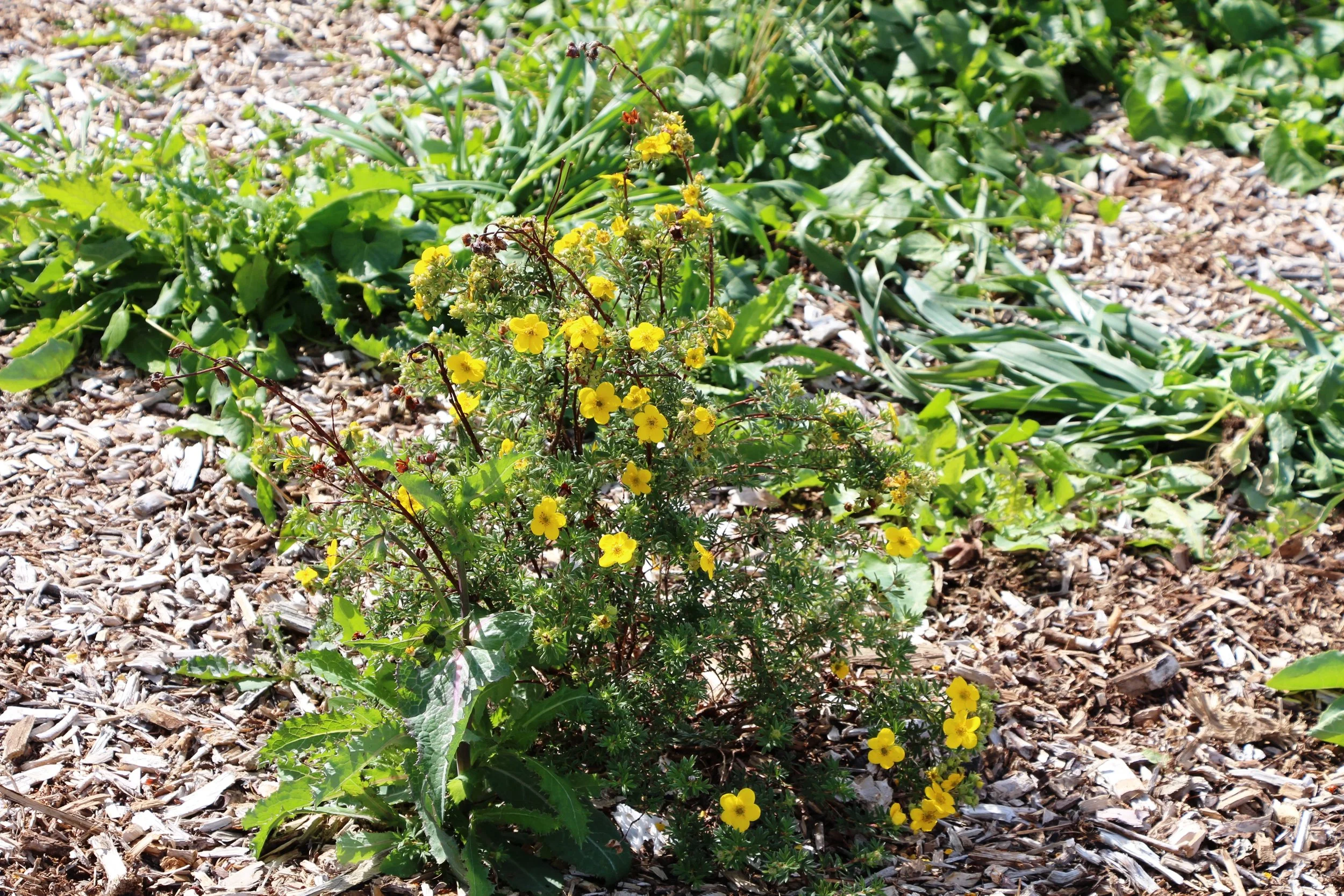

Pollinators love prairie urban gardens!
Native Plant Species in the Oldman Basin
A native plant is one that occurs naturally in a particular region. Most native plants have been in the same area for centuries or longer. In the Oldman watershed, this means that the native plants are adapted to the environmental conditions, including dry weather. As a result, they require little to no watering and fewer chemical inputs like pesticides and fertilizers. This gives native plants can thrive, allowing us to have a beautiful yard with little effort and low maintenance costs.
So what should you grow in your Prairie Urban Garden? The OWC hired a local expert to identify the 50 best plants for southern Alberta, based on the criteria of drought tolerance, availability at local shops, level of maintenance needed, visual appeal, and if they are native to the area. Check out the full list here or view by category below.
Prairie Urban Gardens in Action
Check out photos from Prairie Urban Gardens from around the Oldman watershed.
Read about how OWC staff are xeriscaping and implementing water-wise principles at home!
FURTHER READING
The Alberta Native Plant Council has a native plant list and other valuable resources
“Prairie Returns to Lethbridge” from Nature Alberta Magazine features a Lethbridge couple's journey from traditional lawn to a xeriscaped prairie oasis.
Common Coulee Plants of Southern Alberta by John Bain, June Flanagan, and Job Kuijt is a popular guide to native prairie plants.
In Edible Plants for Prairie Gardens: The Best Fruits, Vegetables, and Herbs by June Flanagan, discover how to grow over 100 fruits, vegetables, and herbs in a cold climate and short growing season, along with tips for serving and preserving each crop. Learn how to save your own seeds, and find proven environment-friendly strategies for avoiding and solving garden problems.
In Native Plants for Prairie Gardens by June Flanagan, learn how to find, grow, and enjoy native plants that define the North American prairie, and create an environmentally sensitive garden in harmony with its surroundings.
Grass to Xeriscape Study presents a cost-benefit analysis of converting from a traditional lawn to a xeriscaped landscape for residents in Lethbridge.